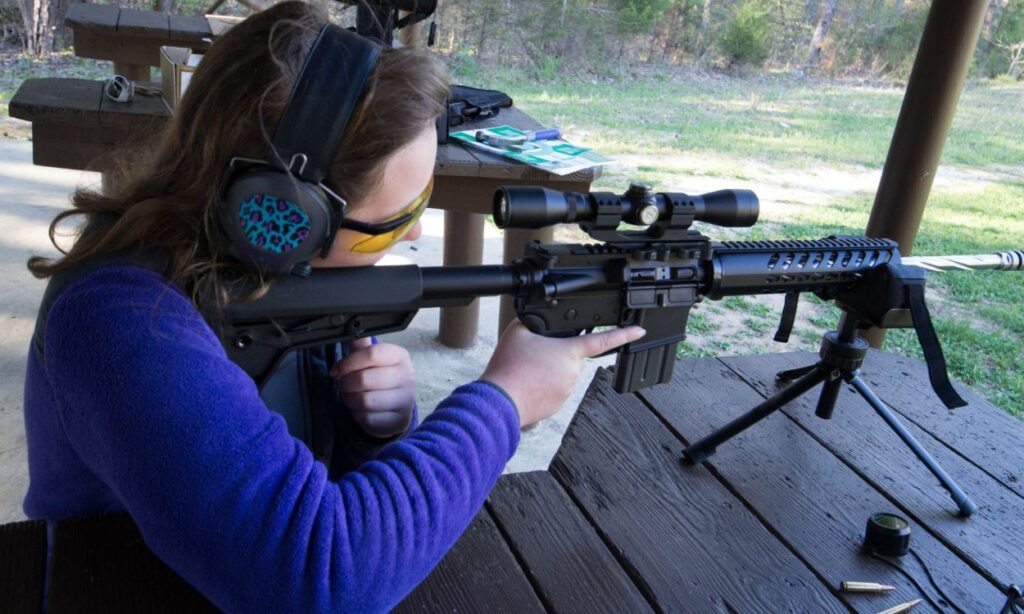
Here’s why low priced ammo is needed for the shooter who wants to be intentional, accurate, and thoughtful with every lethal aim. Low ammunition prices can motivate you to practice more each month. Poor ammunition can waste money during every range visit, which can make you hesitate to fire more rounds. Most shooters want one practical result from budget ammunition. They need dependable rounds without paying premium match prices.
First, find your go-to spot for budget ammo. This cheap 223 Remington ammunition should feed and fire without repeated problems. Each round should also extract cleanly from your rifle.
Price still deserves attention during high-volume practice sessions. However, the lowest box price does not always provide better value. Your real cost includes reliability, range access, shipping, and usable brass. A cheap case provides no savings when your rifle rejects it.
This guide below compares common budget brands for range practice. Current prices are excluded because ammunition markets change quickly.
Check Your Chamber Before Comparing Brands
Your first step should involve checking the barrel marking. Most rifles show .223 Remington, 5.56 NATO, or .223 Wylde. These cartridges have almost identical outside dimensions. Their chamber standards and pressure specifications are still different.
A rifle marked .223 Remington should use approved .223 loads. Never assume every 5.56 NATO cartridge works safely there. Many rifles marked 5.56 NATO can safely fire .223 Remington. Your manufacturer manual should confirm compatibility before your first range session.
A .223 Wylde chamber accepts both common cartridge types. Owners must still follow every instruction provided by the rifle maker.
Remington UMC 55-Grain FMJ
Remington UMC has served American range shooters for many years. Its common 55-grain load uses reloadable brass cases.
Published specifications list velocity near 3,240 feet per second. Actual speed depends on barrel length and testing conditions. This load works well for drills at common distances. You can use it for sight checks and position practice.
Brass cases provide extra value for trained reloaders. Every recovered case still requires careful inspection before future use. UMC can suit shooters who prefer domestic production. Its simple construction supports regular practice without match-grade pricing.
You should test several boxes from one production lot. Check feeding and extraction throughout the entire testing session. Watch the primer condition after each magazine. Unusual marks may require inspection from a qualified gunsmith.
Remington UMC may cost more than steel-case imports. Reloadable brass can narrow that price difference for some shooters.
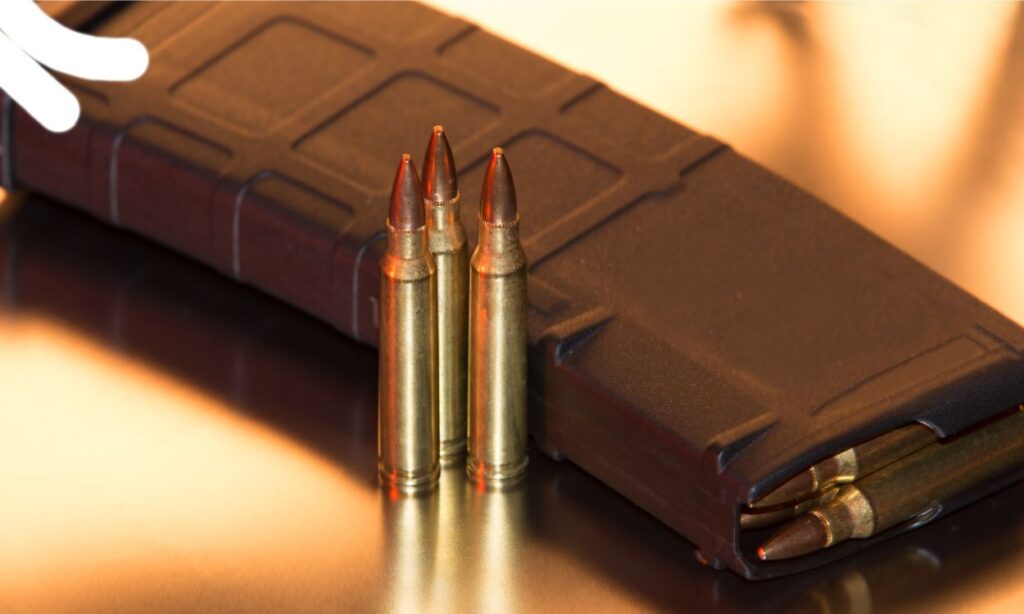
PMC Bronze 55-Grain FMJ-BT
PMC Bronze has developed a dependable range reputation. Its 55-grain bullet uses a boat-tail rear section.
Published velocity sits near 2,900 feet per second. Your barrel may produce a different result during chronograph testing. Many shooters find PMC Bronze softer than full-power military ammunition. Lower recoil can support extended practice for newer shooters. Its brass cases use Boxer primers and support reloading. Safe reloading still requires proper equipment and qualified instruction.
PMC ammunition also has a reputation for manageable carbon buildup. Your cleaning schedule will still depend on total round count. This load suits shooters who value predictable function. It may provide less velocity than several competing 55-grain products.
Lower published speed does not make the cartridge unreliable. Your intended range distance should guide that comparison. Test PMC Bronze through every magazine you plan to use. Magazine problems can easily get blamed on otherwise dependable ammunition.
Federal American Eagle 55-Grain FMJ
Federal American Eagle is another popular practice option. Many AR owners use its 55-grain FMJ load during routine training. Federal commonly supplies this product with reloadable brass cases. Check your exact packaging because specifications can change between product versions.
The load supports basic drills at short distances. It can also handle general target work beyond those ranges.
American Eagle is not built as specialized match ammunition. Your groups may still satisfy normal training needs. Some stores price it above import ammunition. That added cost may work when your rifle cycles every round reliably.
Check your zero after switching from another manufacturer. Similar bullet weights can strike different areas on the same target. A rifle can prefer Federal over another respected brand. Only controlled groups can provide useful evidence for your setup.
Wolf 55-Grain Steel-Case FMJ
Wolf has attracted shooters searching for cheap 223. Steel cases can reduce manufacturing costs compared with reloadable brass. Most steel cases provide little value for reloaders. Some Wolf products also contain magnetic components inside their projectiles.
Many indoor facilities ban magnetic bullets to protect backstops. Outdoor ranges may restrict them during periods with high fire risk. Your rifle may produce more fouling with some steel-case loads. Extra cleaning time should enter your total cost calculation.
Wolf can support basic drills when your rifle accepts it. Local range rules should be checked before ordering larger quantities.
Start with several small boxes from one lot. Watch for extraction trouble after your rifle chamber heats up. Some rifles process steel cases without repeated failures. Other setups may develop stuck cases during longer shooting sessions.
Your rifle provides the final answer here. Forum opinions cannot replace testing through your specific firearm.
TulAmmo 55-Grain Steel-Case FMJ
TulAmmo gained attention through low prices and broad availability. Supply inside the United States can vary because import conditions change. The familiar 55-grain version normally uses steel cases. Those fired cases provide little practical value for common reloading methods. Some AR-15 rifles cycle this ammunition without major trouble. Other rifles can experience more extraction or ignition failures.
Testing offers the most useful answer for your setup. Fire several boxes before considering any larger remaining quantity. Range acceptance presents another serious issue for owners. Magnetic projectiles can prevent use at many commercial facilities.
A low shelf price loses value under those restrictions. Unusable ammunition cannot support your planned practice sessions. TulAmmo can make sense for approved outdoor ranges. Your rifle still needs to complete a proper reliability test first.
Brass Cases Versus Steel Cases
Brass ammunition generally costs more during checkout. Steel ammunition may lower your initial price per round. Your final expense includes more than the receipt total. Range rules and malfunctions can change the actual value sharply.
Consider these points before choosing your preferred case material:
- Brass cases may provide future value for trained reloaders.
- Steel cases can require additional chamber cleaning afterward.
- Magnetic bullets may violate your range ammunition policy.
- Reliable cycling protects paid range time during training.
- Original brass packaging supports easier production-lot tracking.
We should compare the cost per usable round. This number gives better guidance than the advertised case price. Suppose steel ammunition costs several cents less per round. Those savings disappear when your nearest range prohibits magnetic projectiles.
Brass can also recover some value through reloading. This benefit only applies when you have proper training and equipment.
Bullet Weight and Barrel Twist
Most budget 223 ammo uses 55-grain FMJ bullets. This weight works through many standard factory barrel configurations. A 1:9 twist barrel commonly handles 55-grain ammunition well. Faster 1:7 and 1:8 barrels can also stabilize these bullets.
Accuracy can still differ between individual rifles. Barrel condition and shooting technique also influence your recorded group sizes. Heavier projectiles may perform better at longer distances. They generally cost more than basic practice loads.
You do not need match rounds for every drill. Save premium ammunition for accuracy testing and longer-distance sessions.
Test Before Purchasing Larger Quantities
Never select an entire case through reviews alone. Your firearm may react differently from another shooter’s setup. Begin with two or three smaller boxes. Use the same magazines during every controlled comparison.
Track these details during your test:
- Record each feeding problem and related magazine number.
- Note every failure involving ignition or case extraction.
- Measure groups from one fixed shooting distance.
- Check fired cases for cracks or primer damage.
- Record problems after the chamber reaches higher temperatures.
A dependable load should complete several magazines without repeated stoppages. One hundred rounds provide better evidence than one twenty-round box. Clean and lubricate your rifle before starting the test. A neglected firearm can produce misleading conclusions about ammunition quality.
Test each brand under similar shooting conditions. Using different distances makes your accuracy comparison less useful.
Inspect Every Cartridge Before Loading
Factory ammunition can suffer damage during shipping. Inspect each cartridge while loading your magazines at home.
Set aside cartridges showing these warning signs:
- Deep dents running across the cartridge case
- Cracks forming around the case mouth
- Bullets pushed backward inside their cases
- Heavy corrosion surrounding primers or brass
- Primers seated outside their normal position
Never fire a cartridge with unclear caliber markings. Your range may provide a disposal container for damaged ammunition.
Store Larger Quantities Correctly
Bulk purchases require organized storage of ammo inside your home. Always keep ammunition locked away from children and unauthorized users.
Select a dry location with stable indoor temperatures. Moisture can damage cases and reduce long-term primer reliability. Original boxes preserve product identification for future reference. They also keep important production numbers connected with each cartridge.
Label every storage container with these details:
- Cartridge type and listed bullet weight
- Manufacturer name and specific product line
- Production lot number from each package
- Purchase month and calendar year
Use older stock before opening newer ammunition. This rotation process keeps boxes from aging unnoticed inside storage.
Calculate the Real Cost Per Round
A case price cannot show your complete expense. Shipping charges and state taxes can increase the final amount. Range restrictions may make inexpensive ammunition unusable. Malfunctions can also consume paid lane time during practice.
Use this method when comparing your options:
- Add the product price and required shipping charges.
- Include sales tax inside your final purchase total.
- Divide the total by the complete round count.
- Consider possible value from usable fired brass.
- Compare results from your reliability testing session.
This process gives you a realistic cost per usable round. Your lowest-priced option may change after these calculations.
Which Budget Brand Should You Choose?
Remington UMC provides familiar brass-cased practice ammunition. PMC Bronze offers another dependable option with moderate published velocity.
Federal American Eagle supports general training through common 55-grain loads. Your rifle may prefer its pressure and component combination. Wolf and TulAmmo can reduce the initial cost through steel cases. Range rules and firearm compatibility require more attention with either option.
No manufacturer earns complete trust without personal testing. Your process should begin with smaller boxes and written range notes.
The right load should meet four practical standards:
- Your rifle manufacturer approves the exact cartridge.
- Your magazines feed it without repeated stoppages.
- Your range permits every case and bullet component.
- Your groups support the drills you plan to complete.
Reliable ammunition helps you spend more time practicing. Cheap ammunition saves money only when each round works correctly. Your AR-15 should be tested through controlled range testing. Trust your recorded results instead of unsupported online claims.