So you want to take up deer hunting, but don’t know where to start. Well, every experienced deer hunter was a beginner at some point – they started out knowing nothing, so you’re in good company!
Below are some tips for beginning deer hunters to help you learn more quickly and, hopefully, put some venison in the freezer.
By Guest Author, Harry Bath
Harry Bath has hunted whitetail across the Midwest for more than 15 years and holds a Hunter Education Instructor certification in Wisconsin. He spends most falls in a treestand with a bow in hand and writes practical, no-nonsense advice for hunters just starting out.
1. Beginners Should Take a Hunter Safety Course
Before you step into the woods, complete your state’s Hunter Safety Course. It’s legally required in nearly every state and it lays the groundwork for firearm safety, wildlife identification, and ethical hunting that everything else builds on.
It doesn’t matter how old you are, a hunter safety course is an investment. Some states require a safety course before an out-of-stater can buy a license. Some specific states include:
Texas: Mandatory for anyone born on or after September 2, 1971.
Wyoming: Required for hunters born after January 1, 1966.
California: Required for all first-time hunting license applicants, regardless of age.
Florida: Required for anyone born on or after June 1, 1975, who is hunting on public lands (with a deferral option for supervised youth/mentees).
Pennsylvania: Required for non-residents unless they have previously held a hunting license in their home state. (BeaSafeHunter.org)
You can check the comprehensive, state-by-state breakdown provided by Texas Parks and Wildlife or use the state requirements guide on BeaSafeHunter.org.
2. Find a Mentor to Help with Learning Hunting Skills
The fastest way to become a competent hunter is to learn from someone who has the experience. First look to your closest network – a friend, family member, or coworker – and ask if you can tag along on a scouting trip or sit with them in a blind. Most hunters are happy to bring a newcomer along, and there’s no substitute for watching someone read the wind, the signs of game, and local terrain in real time.
If you don’t know anyone who hunts, look into local mentorship programs. Organizations like the National Deer Association run ‘Field to Fork’ programs, built specifically for adults coming from non-hunting backgrounds. Many state wildlife agencies run similar apprentice-hunter days.
In looking for a mentor, successful deer hunters don’t fit any stereotype – and they’re out there just waiting for you to find them. Check out any local hunting or fishing club, or Issac Walton League. Go to a regional sportsmans’ show and attend seminars. If you’ve got the budget, you can get a guided trip and ask them to help you learn.
Other prime spots are the gym, the local gun range, a good sporting goods store, or any place where sports-minded people tend to congregate and shop. When you find a hunter, strike up a conversation.
Pro Tip: Talk to the person at the gun counter of your local big box sporting goods store. They will be happy to help you get connected with a good mentor for hunting and shooting.
One of the best places to look is at the coffee fellowship after church. You’re bound to hear conversation about deer hunting, and in that setting, everyone is going to be friendly. Walk up to a grizzled old guy and tell him you’re a beginner and would like to find a partner for hunting. You may be surprised at how they take you under their wing.
Start asking around and you’ll find what you need.
3. Research a Place to Hunt
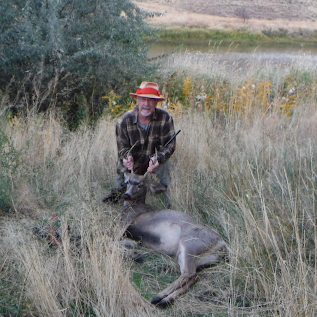
Finding a place to hunt may be harder than finding the deer! Check out all public hunting areas near you. An often overlooked area is military installations or forts. Many have large, forested areas for training purposes, and they may allow limited hunting.
From Leon Pantenburg – When I lived in the Washington D.C. area, I regularly hunted at the Marine Corps base at Quantico, Virginia. Some areas, like Fort Belvoir, Virginia, were strictly reserved for bowhunters. In both of these areas, it was rare to see another hunter.
Private land? Good luck! Most landowners are swamped with hunters seeking access. The absolute worst thing to do is show up on the morning of opening day, asking for permission. Do some homework, scout areas from the road you plan to hunt months in advance, and establish relationships with landowners long before you intend to hunt. Again, ask for some help from your mentors – they’ll be the ones with the best tips.
4. Know the Regulations of the Area to be Hunted
Hunting regulations vary widely, sometimes even within the same area. I always take along a printed version of the regs, and may read it again before leaving the vehicle. Better safe, than trying to explain something that turned out to be illegal. Check out your state’s website and read it thoroughly.
Hunting guidelines are usually available at the sporting goods stores – the same place you buy a license.
5. Master the Wind and Control Your Scent
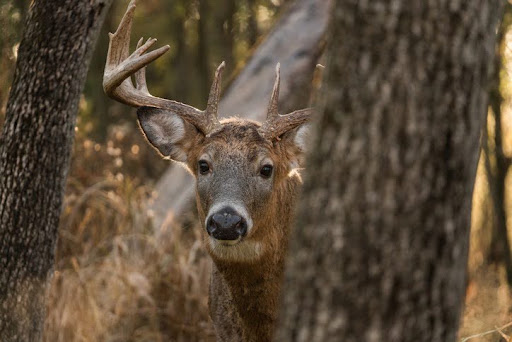
You can wear the most expensive camouflage on the market, but if a deer smells you, the hunt is over before it starts. A whitetail’s nose is its primary defense, capable of picking up human odor from hundreds of yards away.
Set up downwind of where you expect deer to move. If the wind is carrying your scent straight toward a known trail, find a different spot for the day rather than gambling on it. Checking wind direction before you leave the truck should become as automatic as checking the weather.
Wash hunting clothes in scent-free detergent, store them in a sealed tote away from household smells like cooking and pets, and shower with unscented soap before heading out. You’ll never eliminate your scent entirely, but minimizing it gives you a real edge.
6. Practice the Way You’ll Actually Hunt
It’s common for beginners to sit at a comfortable bench at the range, breathe easy, and hit the bullseye every time. That’s fine for sighting in a rifle, but it doesn’t replicate a real hunting scenario.
When a deer steps out in front of you for real, your heart rate spikes and your hands shake. Hunters call it buck fever, and the only way to prepare for it is to practice under conditions closer to the real thing.
If you’ll be hunting from a treestand, practice drawing your bow or shouldering your unloaded rifle from an elevated position, since the angles change more than people expect. If you’ll be out in late November, practice in your heavy coat and gloves so they don’t interfere with your trigger pull or release. A simple drill: do 30 seconds of jumping jacks to spike your heart rate, then pick up your weapon and try for an accurate shot.
The Best Shot Placement to Harvest the Animal
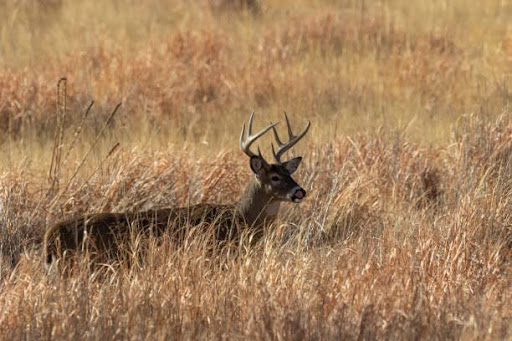
Depending on the angle and distance of the shot, you may have to aim for different areas of the animal. KNOW WHERE THESE VITAL AREAS ARE. Another consideration is the habitat you’re in. In heavy brush, you may only have a tiny window to shoot through. In open country, you may have a much longer, but easier shot at a bigger target area.
Your goal should be a humane one-shot kill, where the animal expires immediately. Aim small, miss small on the type of animal you’re targeting. Do your anatomical research before you go out.
At the beginning of the season, find an approved spot for practice and sight in your rifle with help from a seasoned hunter. Practice shooting with the same hunting load you’ll use. Know you can hit where you aim before you hunt.
7. Get Your Hunting Gear Together
That topic could be its own post! This is an area that requires some research and you should check out Youtube and get input from various mentors. VIDEO: deer hunting gear
What is the best caliber for your deer rifle? That’s another topic that’s discussed endlessly! But, here’s a link to a good choice.
Whatever you decide, make sure your deer rifle or shotgun is of a caliber or gauge you can shoot comfortably. Then practice. And again. If you buy a box of 20 cartridges, shoot 16 for target practice at the range and save the remaining four for hunting. And that’s after you already practiced with the first 20.
With some luck, and proficiency, you should come back from a successful hunt with three cartridges from that last box!
Dress for Hunting Success
Your clothing is your first line of defence against hypothermia and hyperthermia. There are a myriad of camouflage patterns in clothing choices and you may need more than one for your area. Fall and winter colors, for example, are different from those that would be effective in late summer while the leaves are still green.
Your footwear is critical, and you may need several pairs of different shoes or boots for different environments.
More on the best deer hunting gear.
8. As a Beginner, Study the Deer Habits
None of the trail cameras or other technological gee-wizardry can replace boots on the ground scouting. Know what to look for: scat, tracks, buck rubs, deer trails etc. See which way the winds might blow, and locate watering places.
9. Learn to Scout the Land and Let a Trail Camera Help
Learning to read the woods, spot their bedding areas, mark their food sources, and track their travel corridors, are skills built over many seasons, not a few weekends. For a beginner, the terrain often just looks like an undifferentiated wall of trees. Spending time on the land will speed up the skill building: things like walking trails and terrain in the off-season, ‘glassing’ a field’s edges at dawn and dusk, and paying attention to what the deer are actually doing rather than what you assume they’re doing.
Enjoy the great outdoors by going out to track and photograph deer well before the season.
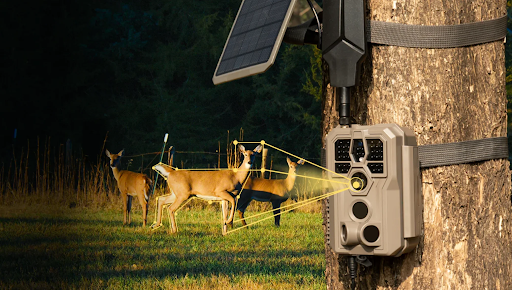
A trail camera earns its place as one tool among several for hunters, but it’s not a replacement for time in the woods. Set a camera on a trail or pinch point and it will keep watch when you can’t, cutting down on how much you need to walk the property and spook deer while you’re still learning to read it.
When starting out, prioritize beginner-friendly trail cameras over models with a steep learning curve. When monitoring your cameras, you’ll want to be checking photos and thinking about deer patterns, not fighting with menus and SD cards.
Whatever camera you end up with, treat it the same way you’d treat a mentor’s advice: as one more data point that helps you understand the land, not a shortcut around actually spending time on it.
GardePro Trail Cameras are worth a look.
10. Have a Plan for After the Shot
Assuming you made a clean shot, the deer is down. What you do next will determine how well the meat tastes over the next few months. Many new hunters spend so much time thinking about gear and the hunt itself that they forget to plan for what happens after they pull the trigger.
An adult deer can weigh anywhere from 100 to over 200 pounds. Know ahead of time how you’ll get it out of the woods. Keep a game cart in the truck, or have a friend on standby who’s willing to help drag.
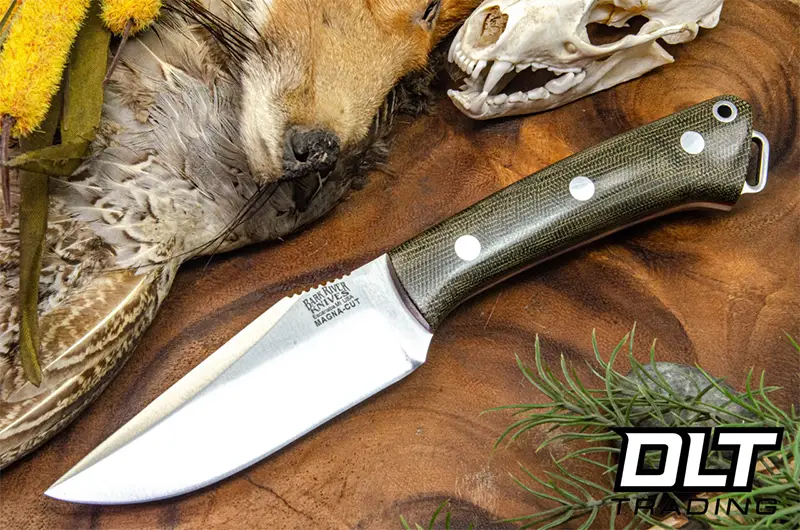
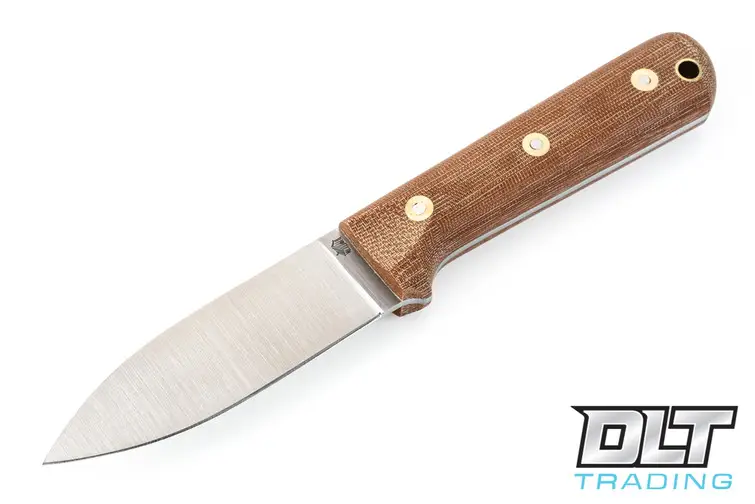
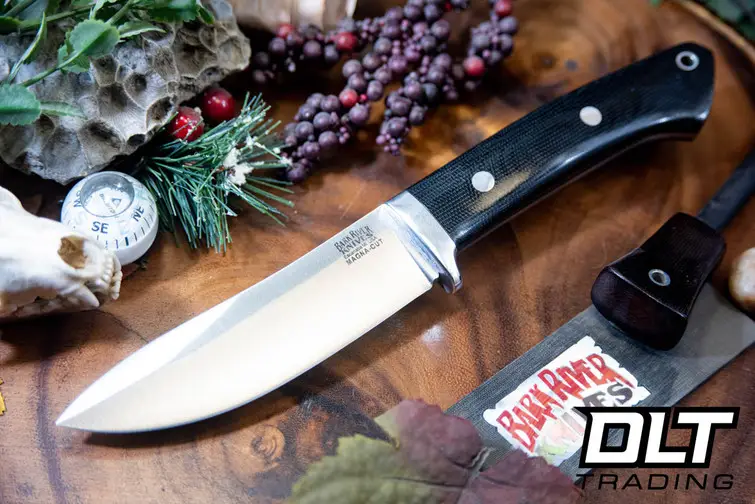
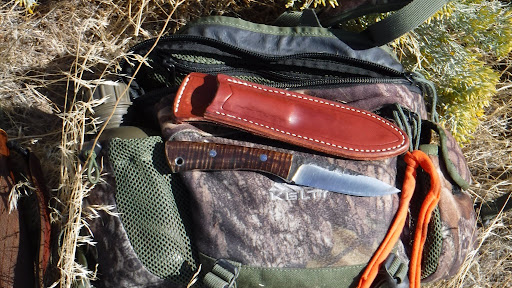
More importantly, venison quality depends on how quickly you handle the animal. Field dress it as soon as possible to start the cooling process and keep bacteria from setting in. Watch instructional videos beforehand, carry a sharp knife and rubber gloves in your pack, and know exactly where you’ll take the deer for processing if you’re not butchering it yourself. Getting the meat cooled quickly is the single biggest factor in how it ends up tasting.
Know how to gut and skin the animal – check out YouTube videos, books, or better yet, watch someone do the work. The faster the meat can be cooled down, the better. Some hunters choose to gut the deer out in the field, clean up the mess, and take it to a professional butcher for game meat sausage and your favorite cuts.
Time to Hit the Woods
Your first season will be a genuine learning experience. You’ll make mistakes, get frustrated, and probably sit through a few cold, uneventful sits. But every hour in the woods, and every pattern you pick up on, whether from watching deer yourself or from what a trail camera shows you, teaches you something you’ll carry into next season.
Focus on safety, lean on the people around you, and respect the animal you’re pursuing. When it all comes together and you bring home your first harvest, you’ll understand why the work was worth it. Good luck out there this season.
Deer hunting is not something that can be learned quickly, but that is part of the challenge. These 10 tips are a place to start. Hunting is a lifetime pleasure with never ending things you’ll experience and learn. You’ll soon find that there is always something to look forward to, and that’s part of the fun.
Welcome to the sport!