A wilderness adventure can quickly become a race against an itinerary.
Reach the trailhead by sunrise. Cover a certain number of miles before lunch. Find the viewpoint. Cross the ridge. Set up camp before dark. Wake early and repeat the process the next day.
Planning matters when travelling through remote areas, but an outdoor trip should not feel like a schedule that must be survived. Moving too quickly can cause hikers to miss changing weather, signs of fatigue, navigational clues, and the quieter experiences that make time in nature meaningful.
The best wilderness journeys leave room to slow down. They allow time to study the surroundings, recover energy, respond to changing conditions, and appreciate where you are. In the outdoors, breathing room is not wasted time. It is part of travelling responsibly.
The Risks of an Overloaded Route
An ambitious route can look impressive on a map. Several peaks in one weekend, long daily distances, and tightly scheduled campsites may sound like an efficient use of limited time.
The reality can be very different.
Once the journey begins, changing conditions often interfere with the original plan. A trail may be more difficult than expected. Rain can make a river crossing unsafe. Heat may increase water consumption. Someone in the group may develop blisters, become dehydrated, or simply need more rest.
When every hour has already been assigned, these ordinary problems create pressure. Hikers may continue moving despite exhaustion or ignore signs that they should turn back. Decisions become focused on protecting the schedule rather than protecting the people following it.
Fatigue also affects judgement. A tired person is more likely to miss a trail marker, underestimate the remaining distance, or choose a poor campsite. What begins as an effort to see more can lead to rushed choices and unnecessary danger.
A route should provide direction, but it should never become more important than the conditions on the ground.
Wilderness Survival Begins With Paying Attention
Many wilderness skills depend on careful observation.
Finding water, choosing shelter, reading weather patterns, identifying hazards, and staying on course all require attention. These skills become harder to apply when someone is focused only on reaching the next checkpoint.
Slowing down makes the landscape easier to read.
A change in the wind may indicate an approaching storm. Darkening clouds above a ridge may suggest that it is time to descend. Damp soil and thicker vegetation can point towards a nearby water source. Fresh tracks may reveal wildlife activity in the area.
Even small observations can influence an important decision.
Awareness also means paying attention to your own physical condition. Hunger, thirst, cold, overheating, and exhaustion often develop gradually. People who regularly pause and assess themselves are more likely to notice these problems before they become emergencies.
The wilderness does not always provide obvious warnings. Sometimes the first sign of trouble is subtle. Giving yourself time to notice those signs is one of the most practical survival habits you can develop.
A Sustainable Pace Protects Energy
Energy is a limited resource outdoors.
Moving too quickly may help you cover more distance early in the day, but it can leave you unprepared for challenges later. A difficult climb, unexpected detour, sudden change in weather, or longer search for a campsite may require reserves that have already been spent.
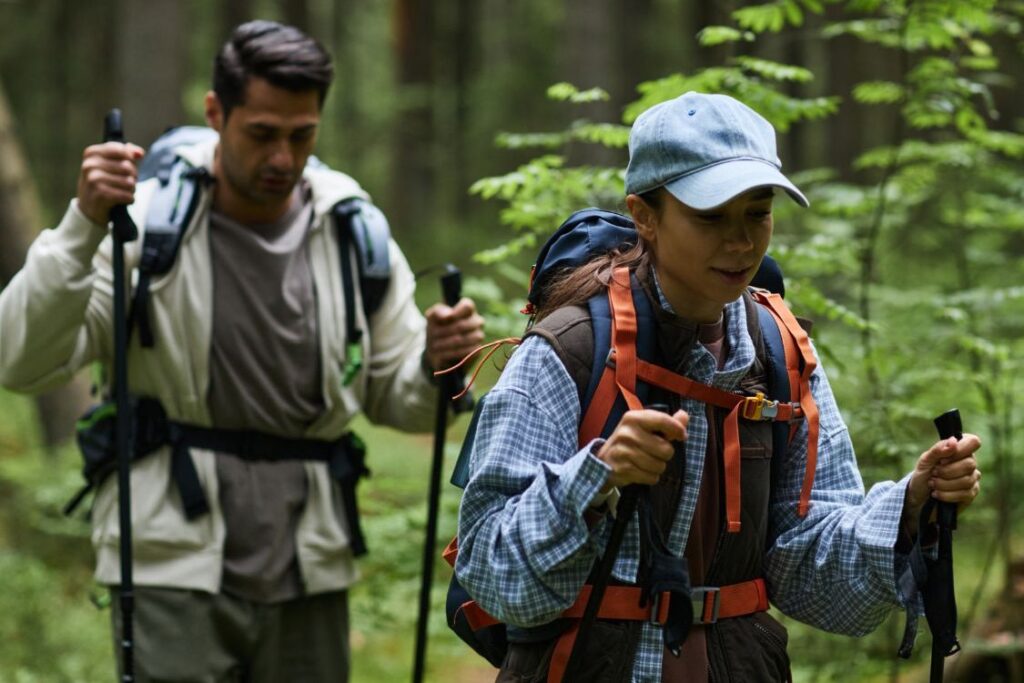
A steady pace is usually more effective than alternating between rushing and long periods of exhaustion. It helps regulate breathing, reduce strain, and maintain concentration.
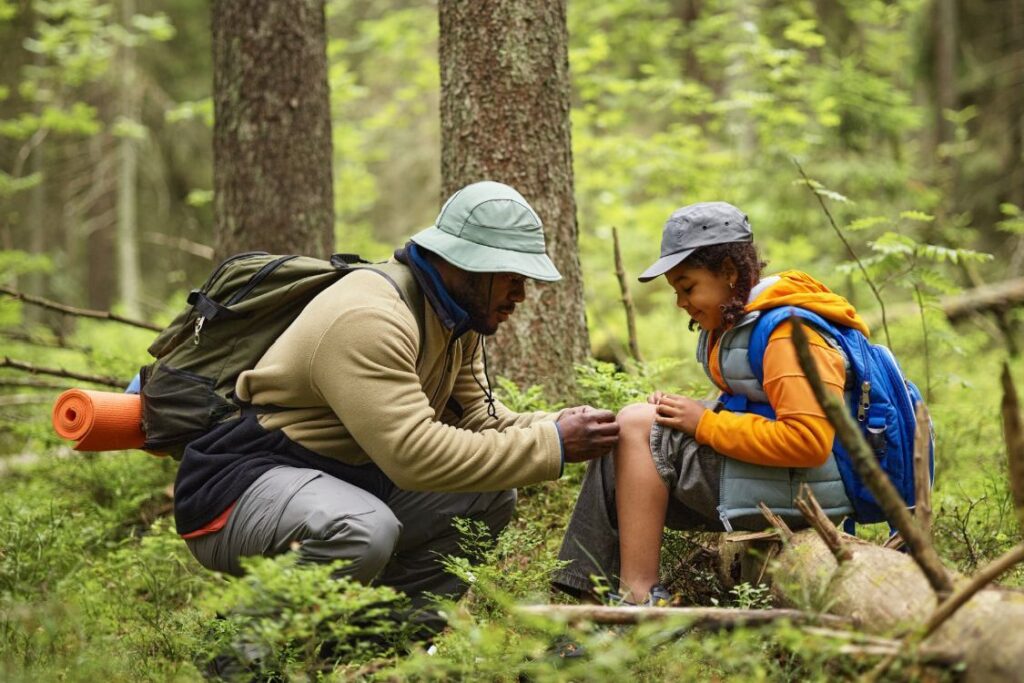
Regular breaks are equally important. They provide opportunities to drink water, eat, check equipment, study the route, and evaluate the weather. A short pause can reveal a loose bootlace, an emerging blister, or a navigation mistake before it causes a larger problem.
Rest should not be treated as evidence that a trip is going badly. In remote environments, rest is a form of preparation for what comes next.
Experienced hikers understand that reaching a destination safely matters more than reaching it quickly.
Preparation Should Create Flexibility
Good wilderness planning is not about controlling every part of the journey. It is about preparing for uncertainty.
Before entering a remote area, travellers should understand the terrain, expected weather, available water sources, emergency exit routes, and physical demands of the trip. They should carry suitable clothing, navigation tools, food, water treatment supplies, shelter, and basic first-aid equipment for the specific region they’re traveling.
However, preparation should also leave room for plans to change.
This same principle applies beyond traditional hiking trips in the U.S. You might be well schooled in preparation for a desert excursion in the American Southwest or a trip to the forest or mountain journey in Colorado. But, those same concerns and even more unknowns apply when you’re traveling overseas. In fact, you may need to over prepare because you’re not familiar with exact weather conditions, or amenities and services in the region you’re traveling.
Traveling Abroad Requires a Whole Other Level of Preparation
A recent example for me was hiking the Dolomites in northern Italy. While I was prepared for the weather, I wasn’t expecting a lack of access to public drinking water. My wife and I had water bottles and filled them up at the apartment, but there were no single-use water bottles in the grocery and every request for water at restaurants, chalets and cafes came in a fancy glass bottle at 5 euros.
In fact, when looking at any vacation, things like sharp temperature changes after sunset, limited shade, and scarce water all influence how an itinerary should be structured. As an example, someone considering an Egypt vacation package that includes hiking in desert landscapes or remote outdoor experiences should examine how the itinerary handles transportation, hydration, rest periods, local guidance, and changes in weather rather than simply counting how many attractions are included. If you don’t know, ask. If the brochures don’t explain it, question these items in advance.
The same standard applies to any wilderness destination. A thoughtful itinerary should reduce logistical pressure while allowing travellers to respond to their surroundings. It should support the experience rather than force people to continue when conditions suggest slowing down.
The best plan is not the one with the most activities. It is the one that remains useful when the unexpected happens.
Choosing a Campsite Before Exhaustion Sets In
Campsite selection is one area where extra time makes a clear difference.
Waiting until the final minutes of daylight can lead to poor decisions. Tired hikers may settle near unstable trees, low ground that could collect rainwater, exposed ridges, animal trails, or unsafe water sources simply because they no longer have the energy to keep looking.
Beginning the search earlier allows you to assess the area carefully.
A suitable campsite should provide relatively level ground, some protection from wind, and distance from obvious hazards. It should follow local regulations and minimise damage to the surrounding environment. In areas with wildlife, food storage and cooking locations may also need careful consideration.
Setting up before dark gives you time to organise equipment, prepare food, collect or filter water, and inspect the immediate surroundings. It also creates a calmer end to the day.
A comfortable campsite does more than provide sleep. It improves recovery, protects morale, and makes better decision-making possible the following morning.
The Most Valuable Moments Often Happen Between Destinations
Not every meaningful part of a wilderness trip happens at the summit or viewpoint.
Some of the strongest memories form during the quieter periods between planned activities. Filtering water beside a stream. Watching cloud shadows move across a valley. Hearing the forest change as daylight fades. Sitting near a fire and realising how far away everyday distractions feel.
These moments are easy to miss when the entire journey is organised around reaching the next destination.
Time in nature offers an opportunity to observe without constantly needing to act. That attention can deepen your understanding of the environment and improve practical outdoor skills. You begin to recognise patterns in the terrain, changes in temperature, animal sounds, and the natural rhythm of the day.
The wilderness becomes more than scenery. It becomes a place you are actively learning to understand.
Moving slowly does not mean lacking purpose. It means allowing the journey itself to matter.
Adaptation Is More Important Than Sticking to the Plan
Conditions can change quickly outdoors.
A trail that was safe in the morning may become difficult after rain. A planned water source may be dry. A strong hiker may develop an injury. A section of the route may take twice as long as expected.
These situations require flexibility.
Turning back, changing campsites, reducing the distance, or skipping a planned destination can feel disappointing. However, continuing only because something appeared on the itinerary is not determination. It may be poor judgement.
Adaptation is a central part of wilderness competence. It requires travellers to accept new information and make decisions based on current conditions rather than earlier expectations.
The goal is not to complete every part of the original plan. The goal is to make choices that allow everyone to return safely.
Building Breathing Room Into a Trip
A more manageable outdoor itinerary begins with realistic expectations.
Estimate daily distances based on terrain, elevation, weather, experience, and the slowest member of the group. Allow more time than the route appears to require. Begin searching for campsites before daylight becomes limited and schedule regular opportunities to eat, drink, and check the map.
It is also wise to include an alternative route or shorter option. These choices make it easier to respond when energy levels or environmental conditions change.
Open time can improve the experience as well. An unscheduled afternoon may allow you to explore safely near camp, recover after a difficult section, or remain longer in a place that deserves attention.
This space does not make an itinerary incomplete. It makes the itinerary more realistic.
Final Thoughts on Wilderness Safety
The wilderness rewards preparation, patience, and awareness.
Travellers who move carefully often notice more, make better decisions, and respond more effectively when plans change. They understand that rest protects energy, observation provides information, and flexibility can prevent a minor setback from becoming an emergency.
Plan your route. Carry the right equipment. Learn the conditions and prepare for the risks.
Then leave room to observe, think, and adapt.
The most successful adventure is not necessarily the one that covers the greatest distance. It is the one that allows you to experience the landscape fully while returning safely with the judgement, memories, and respect that the journey created.