Hardtack has been an emergency ration since people had access to some sort of grain flour. Here’s a look at pilot bread, a modern day version of hardtack that is widely used in rural Alaska. And here’s why it should be considered for your survival gear.
by Leon Pantenburg
I’ve carried and eaten hardtack since my introduction to it as a Civil War reenactor in the Confederate Infantry. And baking pilot bread is another history-related activity I’ve enjoyed. When I’m really going primitive like hunting with my flintlock rifle, I might pack hardtack, jerky, and dehydrated corn for lunch – just to experience the full effect.
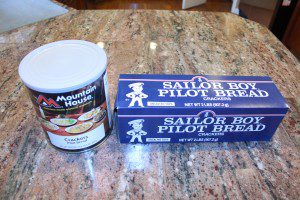
But if you’d rather buy instead of bake a similar hard cracker product for long term storage, take a look at pilot bread. It’s widely available at your big box grocery and a good staple to have on hand. It’s sorta tasty, in a no nonsense way, durable, and has a long shelf life.
What is Pilot Bread?
If I had to describe pilot bread, I’d call it a thick, salt-less Saltine cracker, but with a tougher texture. While the bread is hard, it is easily bitten off, and the texture is much softer than the traditional recipe hardtack I make.
Pilot Bread also has fewer crumbs than a standard saltine. A nice feature of pilot bread is its storage durability for packing into the outback. In fact, pilot bread with peanut butter and/or fruit jam stands up well to travel in a daypack. Throw in a tube of summer sausage and cheese, and you’re close to what the old cowboys would call, “horseback lunch”.
This should fit nicely after Leon’s description of pilot bread as a tougher, salt-free saltine. I reviewed the existing post for context.
What Is the Difference Between Hardtack and Pilot Bread?
Pilot bread is essentially a modern, more edible descendant of traditional hardtack. Both were developed as durable foods that could withstand long trips and extended storage, but commercial pilot bread is generally thicker, lighter and easier to chew.
The primary differences include:
- Ingredients: Traditional hardtack contains little more than flour, water and sometimes salt. Most commercial pilot bread also contains vegetable shortening and leavening agents, which improve its flavor and texture.
- Texture: Properly dried hardtack can become nearly as hard as a brick, earning it nicknames such as “tooth duller.” Folks typically dipped it in soups and stews to soften it up before chomping down. Pilot bread is still firm and dry, but you can bite and chew it without soaking it first, or risking a tooth.
- Shape: Hardtack is traditionally cut into square or rectangular crackers. Pilot bread, including the familiar Sailor Boy brand, typically comes as a large, round cracker.
Pilot bread offers much of hardtack’s durability in a more convenient and appetizing form, making it a practical choice for camping, emergency food supplies and survival kits.
Pilot Bread is Common Storage Food in Hawaii and Alaska
Pilot bread is a common storage food item in Hawaii and Alaska, and The Diamond Bakery “Saloon Pilot” cracker is available in many stores in both the island and northern states. Sailor Boy brand pilot bread is well-known in the Northwest United States and Alaska, and I got mine at the local Food 4 Less.
It’s a very inspirational food in Alaska, according to the Sailor Boy Facebook page. Apparently, Alaskans are among the last to eat hardtack as a significant part of their normal diet. Interbake Foods of Richmond, Virginia, produces much of the commercially available hardtack under the “Sailor Boy” label – 98 percent of its production goes to Alaskans. To get this brand, you’ll have to do a little Google shopping search for your area, or buy it online.
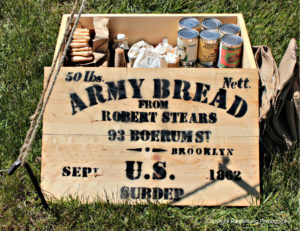
Originally imported as a food product that could handle rigorous transportation throughout Alaska, pilot bread has since become a favored food even as other, less robust foods have become available. Alaskan law requires all light aircraft to carry “survival gear”, including food.
The blue-and-white Sailor Boy Pilot Bread boxes are common at Alaskan airstrips, in cabins, and virtually every village. Whether it’s topped with salmon spread, seal oil or old-school Crisco and sugar, chances are if you’ve ever lived in rural Alaska you’re familiar with that long, rectangular, navy blue box.
Pilot Bread is Soul Food for Rural Alaskans
The Alaska Dispatch claims pilot bread is soul food for rural Alaskans – mothers give it to their babies to teeth on, village grocery stores, no matter how sparse, carry it on their shelves, and seldom does a hunting party venture out in the country, or a family head to fish camp, without a supply stowed away in someone’s bag.
Lots of people have their favorite ways to enjoy them: topped with cheese or Spam, or spread it with peanut butter and jam or honey. You can also spread them with ground meat, cheese and tomato sauce and make pizzas. Some people have their own “custom pilot bread pizza” recipe.
Traditional Civil War Hardtack Recipe
So, how do you make hardtack? This traditional Civil War-style recipe produces an extremely hard cracker that lives up to the nickname “tooth duller.”
Ingredients
- 4 cups flour, preferably whole wheat
- 4 teaspoons salt
- Approximately 2 cups water, added gradually
Instructions
- Preheat the oven to 375°F.
- Combine the flour and salt in a large bowl. Gradually add enough water to form a firm dough. The dough should hold together without becoming sticky, so you may not need all the water.
- Roll the dough approximately ½-inch thick. Cut it into about 10 square or rectangular pieces.
- Use a clean nail, wooden skewer or similar utensil to press four rows of four holes into each piece. Do not push completely through the dough. Turn each piece over and repeat the pattern on the other side.
- Place the hardtack on an ungreased baking sheet. Bake for 30 minutes, turn each piece over, and bake for another 30 minutes. The crackers should be dry and lightly browned on both sides.
- Allow the hardtack to cool and dry completely. The pieces may break fairly easily while fresh but will become considerably harder as they dry.
Traditional hardtack is meant to be durable, not tender. To make it easier to eat, soak it in coffee, soup or water before attempting to chew it.
Homemade Pilot Bread Isn’t Cut out for Long Term Storage
I don’t include a recipe for pilot bread here, because homemade bread shouldn’t be considered as long term storage food – pilot bread made with shortening or oil doesn’t have the same shelf life as traditional hardtack. Added fat can eventually become rancid, while thoroughly dried flour-and-water hardtack is designed for extended storage.
Commercially produced pilot bread options that are vacuum sealed in a can can be considered perfect for a prepper’s pantry. Have fun shopping around!