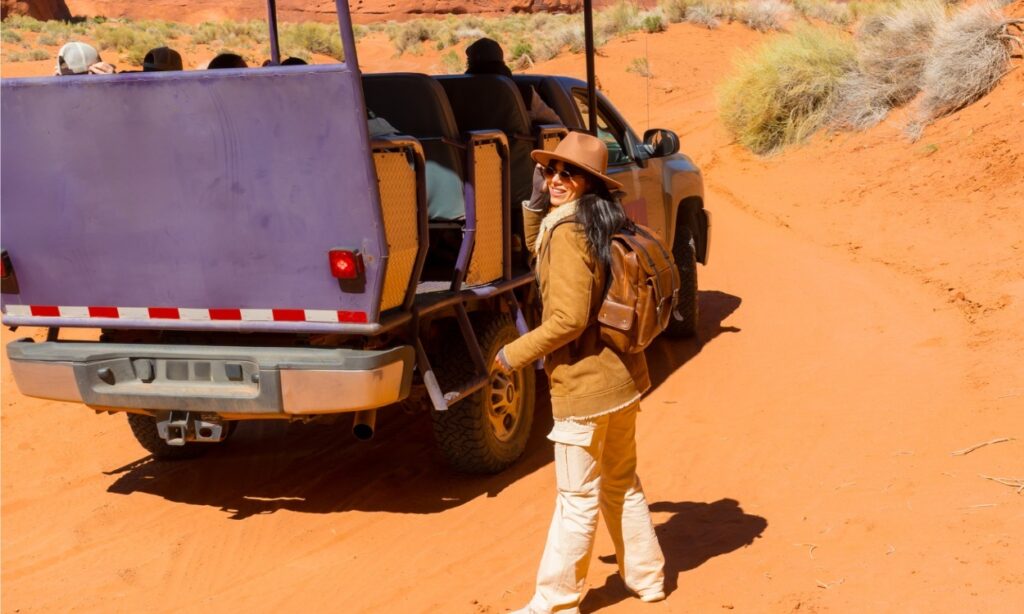
I’m not one to put the blame on others. In fact, I feel each person should be self-reliant and well prepared for any potential emergency. Being in the outdoors and living life to the fullest means taking a few risks. But I also expect a professional organization to ensure they are responsible for safe practices and put safety as a priority. It’s too easy for negligence or unacceptable mistakes to contribute to an unfortunate accident or unexpected emergency that can result in serious injury..
An outdoor accident can be disorienting, especially when you are far from home or dealing with an activity that carries some inherent risk. Adrenalin will kick in when faced with emergencies and it’s important to focus on staying safe. Whether you are injured while hiking, climbing, rafting, camping, hunting, fishing, or taking part in a guided outdoor trip, the first step is always first aid and safety for you and others.
But, if an injury is the result of serious negligence by another party, the steps you take after immediate danger has passed can matter a great deal regarding your options to hold other parties accountable. And your experience following up on an accident might help prevent a future problem for others.
Not every outdoor injury means someone else is legally responsible. But if a guide service, property owner, equipment manufacturer, vehicle operator, or another party may have contributed to what happened, preserving information early can help you understand your options later.
Outdoor Accident | First Seek Medical Attention
Even if you initially feel fine, consider getting evaluated by a medical professional after a serious outdoor accident. Adrenaline and shock can make it difficult to recognize the full extent of an injury, and some symptoms may not appear immediately.
According to the CDC, symptoms of a mild traumatic brain injury or concussion can appear hours or days after an injury. Headaches, dizziness, confusion, nausea, neck pain, and other changes should not be ignored.
Medical records can also document when an injury was identified and how it developed over time. Keep records of medical visits, prescriptions, imaging, treatment instructions, and follow-up appointments.
Next Step | Document the Accident
Once you and others are safe, record what you remember while the details are still fresh. Depending on the activity, note the location, time, weather, terrain or water conditions, equipment being used, safety instructions you received, and what happened immediately before the accident.
If another person or organization was involved, preserve their information as well. This might include:
- Names and contact information for guides, instructors, witnesses, or other participants
- Photos and videos of the accident scene and surrounding conditions
- Photos of injuries and damaged equipment
- Booking confirmations, receipts, or communications with a guide or outfitter
- Police, park, rescue, or incident report information
- Insurance information and claim numbers
For outdoor accidents, the physical evidence can be particularly important. If equipment may have malfunctioned or been damaged in the accident, avoid discarding, repairing, or altering it until you understand whether it could be relevant to what happened.
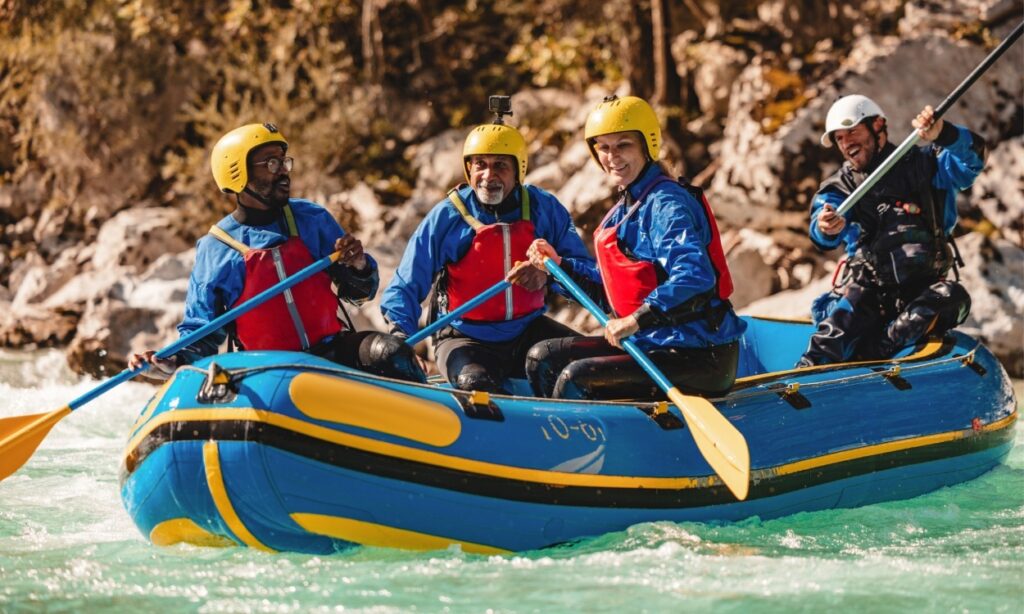
Consider Whether Another Party May Be Responsible
Outdoor recreation involves risks and getting injured does not automatically mean another person or organization is liable. The circumstances matter.
Depending on the activity, questions may arise about whether a guide or outfitter provided appropriate instructions, whether safety procedures were followed, whether equipment was properly maintained, whether a vehicle or watercraft was operated safely, or whether an unsafe condition on someone else’s property contributed to the injury.
More than one party may potentially be involved. For example, an accident could raise questions about the level of involvement by your guide service, the property owner, any equipment manufacturer, vehicle operator, or another participant.
An accident on public land does not automatically establish liability, either. Public-land injuries can involve different circumstances and legal rules, so it is important to document what actually caused the accident and whether another party’s conduct contributed to it.
Commercial Guides and Equipment | Keep the Paperwork You Signed
Outdoor trips and recreational activities often involve waivers, disclaimers, releases, or other agreements. Keep a copy of anything you signed or received before participating.
A signed waiver does not necessarily answer every legal question surrounding an injury. The effect of an agreement can depend on its language, the circumstances surrounding the accident, and the applicable law.
For that reason, do not assume that signing a document automatically means you have no options, but also do not assume that it has no legal effect. Preserve the document and consider having it reviewed by a legal professional if the circumstances of the accident raise questions about responsibility.
After an Accident | Communicate Carefully With Insurance Companies
If an insurance company contacts you after an accident, provide accurate information, but be careful not to speculate about facts you do not know.
Stick to what you personally saw, heard, or experienced. Avoid casually accepting responsibility or making definitive statements about the severity of your injuries before you have a clear medical picture.
Keep copies of relevant communications, including:
- Emails and letters
- Claim numbers and adjuster contact information
- Requests for recorded statements
- Settlement offers
- Explanations of payments or coverage
If another person or organization may be involved, keep communications with that party as well.
Follow Up | Track Your Expenses and Other Losses
Outdoor accidents can create expenses that extend well beyond the initial medical visit. Keep records of medical bills, prescriptions, transportation, equipment damage, repairs, and other accident-related costs.
You may also have losses that are less obvious at first, such as missed work, reduced hours, canceled plans, or the cost of obtaining help with ordinary activities while you recover.
Keep receipts, invoices, mileage records, and payment documentation together. A simple running record can make it easier to understand the financial impact of the accident later.
Preserve Evidence Before Moving On
The desire to get back to normal can make it tempting to clean up, replace, or discard things connected to the accident. Before doing so, think about whether they could help explain what happened.
Depending on the circumstances, preserve:
- Damaged or malfunctioning equipment
- Helmets, harnesses, safety gear, or protective equipment
- Photos and videos from the activity
- Waivers and other agreements
- Messages or emails with guides, outfitters, property owners, or other parties
- Receipts and booking records
- Incident or rescue reports
- Contact information for witnesses
You do not need to determine the legal significance of every piece of evidence yourself. The important thing is to avoid unnecessarily losing information that may later help establish what happened.
Know When to Seek Professional Guidance
Many outdoor accidents are simply unfortunate events involving the inherent risks of recreation. Others may involve circumstances that raise questions about whether another person or organization contributed to the injury.
If your injuries are serious, your losses are substantial, the cause of the accident is disputed, or you are unsure how a waiver, public-land rules, equipment issue, or another party’s actions affect your situation, professional legal guidance may help you understand your options.
With any questions about a potential personal injury claim, you’ll want to contact an attorney like DM Injury Law who specializes in these situations. They may be a solid resource for helping you understand whether the circumstances you experienced warrant further legal review.
Move Forward With the Facts
After an outdoor accident, there can be pressure to put the experience behind you as quickly as possible. Taking a little time to seek medical care, document what happened, preserve relevant evidence, keep your paperwork, and track your expenses can make the aftermath easier to navigate.
You do not need to decide immediately whether someone else is legally responsible. Start by preserving the facts and understanding what happened. If questions about liability remain, the information you collected can give you a stronger foundation for deciding what to do next.