The odds are that at some point in your life you will be affected by a natural or man-made disaster. Or even an unexpected injury deep into the woods. Maybe you’ll have great support and maybe you won’t. Maybe you’ll have immediate access to food and medical supplies. Maybe you won’t.
In those cases where you’re struggling to get help, foraging for food and medicinal plants may prove to help.
Even if your life doesn’t depend on it, foraging in the woods will definitely improve your quality of living. For tens of thousands of years, before modern global food industry and distribution, people understand how to live with what nature served them. It’s time we all understand better what our ancestors knew very well.
By Leon Pantenburg
I don’t need an excuse for rambling in the wilderness. But if I did, foraging for edible and medicinal plants would be a good one. I make tea every day out of some plants I’ve gathered and some go right into a salad, a sandwich, or a casserole. The free greens are great, but there are additional things to learn while foraging.
More time outside in nature is always a good thing and foraging can be a fun family activity. Get those kids outside and look for edible or medicinal plants – you’ll likely gather nutritional veggies and may create some cherished memories while you’re at it.
But aside from the survival/preparedness aspect, foraging can be a gateway to learning other survival skills. Here are some things foraging can add to your survival knowledge.
1. Practice Your Land Navigation Skills
Practice map reading and learn how to read the terrain. This will help you locate water sources, trails, and natural landmarks. Learn navigation skills with map and compass, so if your GPS or phone goes down you can still find your way out of the woods. This skill transfers to other outdoor activities and helps everyone develop an appreciation for the natural world.
2. Help Young People Grow Their Connection to Nature
Younger people are not going to learn about the natural world if someone doesn’t take them out into it. Take a gamer out foraging and get them away from the computer screen. Take time out of foraging to build a campfire and teach the youngsters how to find dry wood and kindling.
Be Sure to Pick the Right Plant
Do you know what poison ivy looks like? Poisonous plant rashes are typically caused by urushiol, an oily sap. The most well-known offenders are poison ivy (leaves in clusters of three), poison oak (oak-like leaves in groups of three), and poison sumac (stems with 7 to 13 leaflets). Many medicinal plants have look-alikes and it’s critical to know the difference.
Get a book, download an app, get educated on what a “good plant” looks like – it’s leaves, stem, smell, color, size, or flower. If in doubt, leave it alone. This is important.
A competent forager can identify the nasty plants and avoid them.
3. Ethical Harvesting Helps the Natural Environment
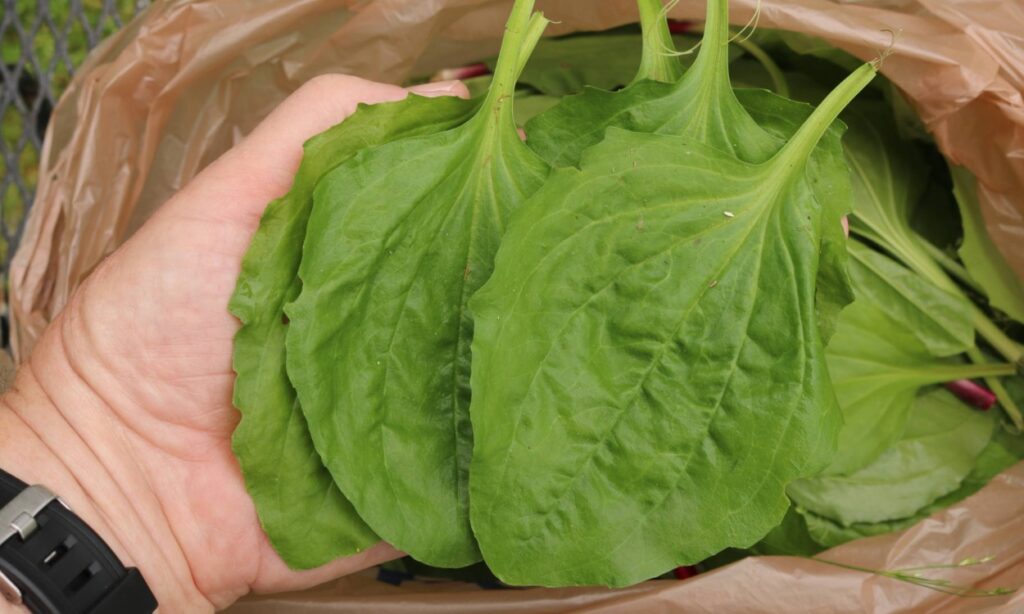
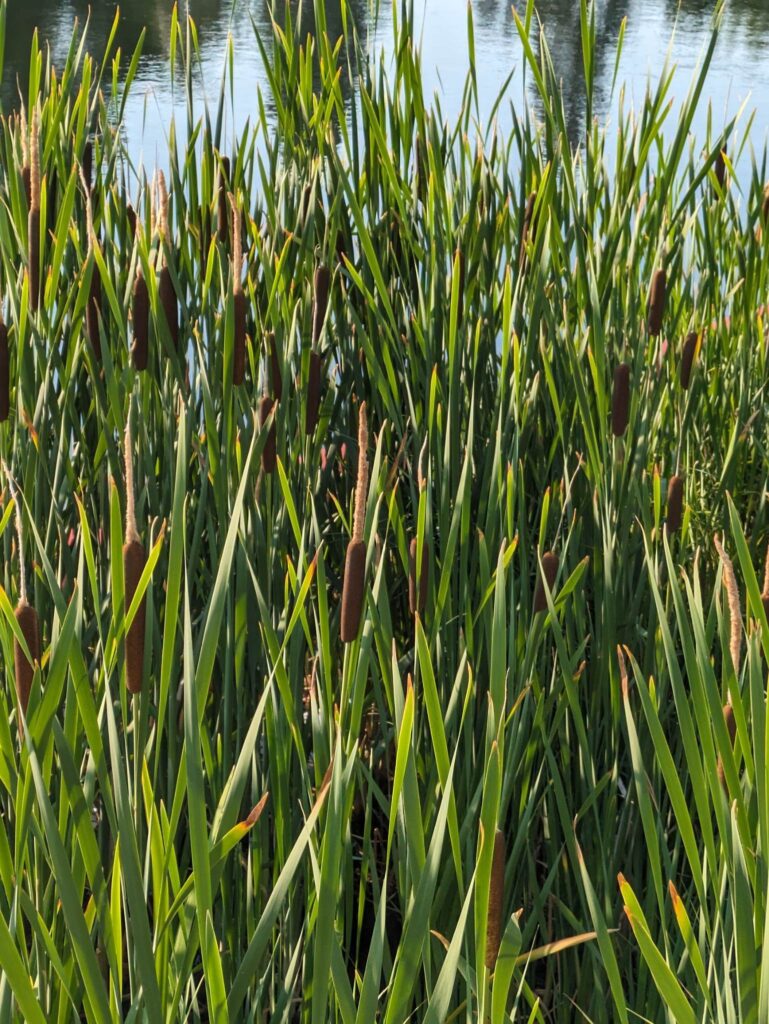
Some harvesting can be beneficial to some plants. Cattails, mullein, plantain, purslane, and willow all replenish rapidly. As long as you only take a few plants at a time, the plants won’t be eliminated. In many instances, the plants benefit from selective thinning.
4. Common Plants Can Make Big Differences When Needed
Mullein leaves, for example, can provide an effective emergency bandage for wounds. Plantain can make a poultice for bug bits, scrapes, and minor wounds. Make a wild plant field dressing (Make sure the plants have been washed and cleaned for wound dressing.)
Imagine falling and getting a pretty ugly scrape while you’re two days away from an urgent care. You might want to forage some clean mullein leaves, wash them up, press them tightly on the wound and apply a loose tourniquet until you reach assistance.
Today’s modern medicines have roots in herbal medicines. Who knows? If the shinola does hit the fan, herbal remedies may be your only option. Here is a great natural medicine resource!
5. Help People Grow Their Connection to Nature
I also forage for rocks to use in flint and steel firemaking. Rock hounding in and of itself is a fun and rewarding experience. The kids can look for pretty or unusual rocks, while you take along a carbon steel striker and look for rocks that spark.
Plastic and microplastics are everywhere and we’re seeing the impact on the environment. If we can use more natural items instead of buying stuff with plastic containers, that’s a good thing. It’s also good to use the things that nature supplies and to get out there looking for them.
It’s a win-win experience all around.
I’m not a medical professional and nothing in this article is sound medical advice. Seek answers from a qualified medical provider when in question about how to treat wounds or illness.