Walk into any outdoor store before opening day, and you’ll find a wall of gear promising to make you a better hunter. Most of it is optional. A short list of essentials, chosen well, does more for your success and comfort than a truck bed full of extras.
This guide below covers the gear that consistently earns its place in a hunter’s pack: clothing and layering, optics, footwear, packs, and the small tools that save a hunt when something goes wrong. None of it is exotic, and none of it requires an unlimited budget, but getting each category right removes the problems that end hunts early.
Clothing and Layering: Build a System, Not a Single Jacket
Temperature swings more in a single day afield than most hunters plan for. A cold morning sit can turn into a warm midday hike and back to a cold evening stand, and one heavy jacket can’t cover all three. The fix is a layering system built from three parts that work together rather than one piece trying to do everything.
Base Layer
The base layer sits against your skin, and its only job is moving sweat away from your body. Merino wool and synthetic blends both do this well, wicking moisture while still insulating a little even when damp. Cotton is the one fabric to avoid entirely, since it holds sweat and rain against your skin and cools you fast once you stop moving, exactly when you can least afford to lose body heat.
Mid Layer
The mid layer is your adjustable warmth. Fleece, wool, or synthetic insulation all work, and the goal is being able to add or shed it as conditions change through the day without changing your whole outfit. Hunters who run cold on a stand often carry a heavier mid layer just for the sit and a lighter one for the walk in.
Outer Shell
The outer shell blocks wind and sheds rain or snow without trapping all your body heat inside. A quiet fabric matters as much as waterproofing here, since a shell that crinkles with every step announces you to game long before you’re in range. Scent control and camo pattern matter too, but only after the layering system itself is right. A quiet, well-fitted set of layers in a pattern suited to your terrain beats one expensive piece that leaves you sweating or shivering.
Optics: See Game Before It Sees You
A good pair of binoculars extends your effective hunting range more than almost any other single purchase. Glassing a ridge or a field edge from a stationary position lets you pattern animals and plan a stalk without pushing them out first, which is often the difference between a filled tag and a blown stalk.
Binoculars
For most hunting applications, 8x or 10x magnification paired with a 42mm objective lens balances brightness, field of view, and weight. Higher magnification sounds appealing on paper, but the added weight and narrower field of view mean heavier glass often stays in the truck instead of around your neck where it actually helps. If you hunt low-light hours around dawn and dusk, prioritize glass with good light transmission over raw magnification; a bright, clear 8×42 will show you more in dim conditions than a dim 12×50.
Rangefinders
A rangefinder removes the guesswork from a shot, especiallyin broken terrain where distances are easy to misjudge by 20 yards or more. Bow hunters benefit even more than rifle hunters, since a misjudged distance matters far more at archery ranges. Look for one with angle compensation if you hunt hilly or mountainous terrain, since a steep shot plays differently than the flat-ground distance shown on a basic model.
Footwear: The Foundation of Every Hunt
Boots are the piece of gear you use every single second you’re in the field, yet they’re often the last thing hunters research and the first place they try to save money. That’s backwards. The wrong pair turns a promising hunt into an exercise in blisters, cold toes, and cutting the day short, while the right pair quietly does its job and lets you focus on everything else.
Match the Boot to How You Hunt
The right hunting boot depends entirely on your hunting style. Stand and blind hunters who walk a short distance and then sit still for hours fight cold, not weight, and can afford heavier insulation and a bulkier build. Mobile hunters spot-and-stalk, still-hunting, run-and-gun, public land, or Western hunts that involve real mileage- fight fatigue and moisture build up instead, and need something lighter, more breathable, and more nimble. Hunters working wet ground, marshes, or early-season creek bottoms need waterproofing and rubber construction above almost everything else, regardless of style.
Waterproofing and Breathability
Wet feet are the fastest route to a ruined hunt, since cold water pulls heat away from skin far quicker than cold air. But waterproofing alone isn’t enough, because a boot that keeps water out also traps sweat in if it isn’t breathable. The best designs balance a waterproof barrier with enough breathability so feet don’t cook on the walk-in.
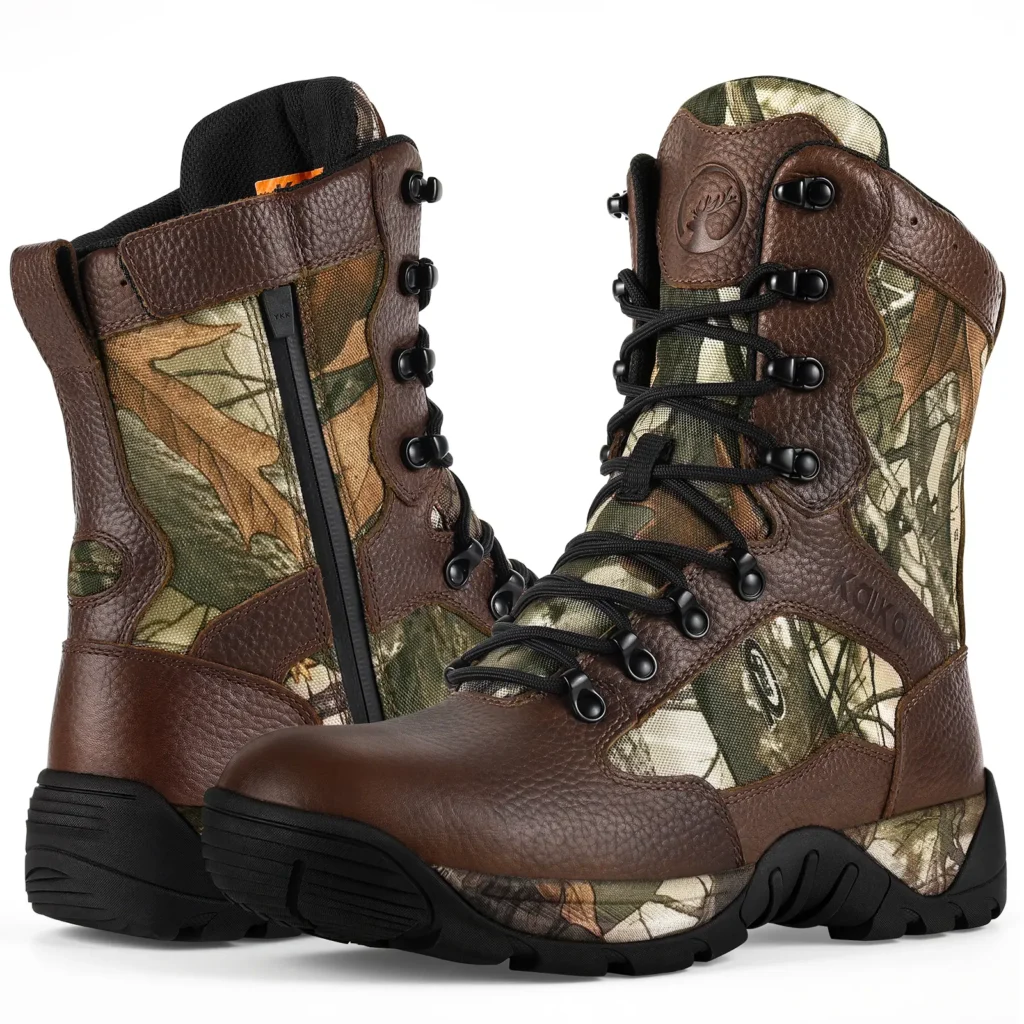
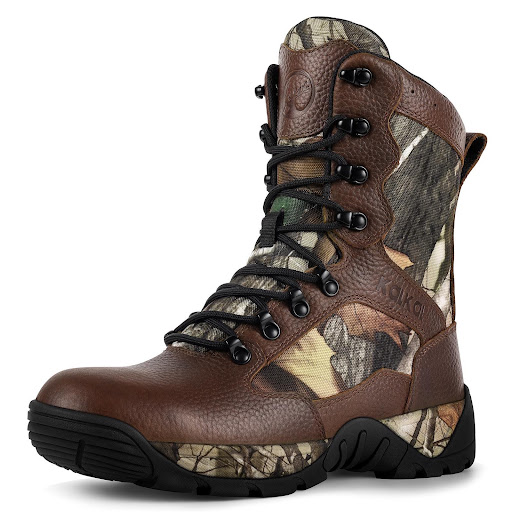
That balance is exactly what you’ll find in how KalKal Outdoor Products describes their well-designed Kalkal leather hunting boots. The boots pair an integrated waterproof bootie with a low-wicking, breathable camo-fabric upper.
Whatever boot you choose, look for one built to need minimal break-in so it’s ready to perform straight out of the box; pair it with merino wool socks rather than cotton, and try boots on at the end of the day when feet are slightly swollen so the fit matches real hunting conditions rather than a fresh-footed showroom try-on.
Packs: Carry What You Need, Not What You Might
Pack size should match the hunt, not the other way around. Oversized packs invite overpacking, and every extra pound comes back to haunt you on the walk out. Read more about essential gear for hunting packs.
Daypacks
A daypack in the 1,500 to 2,500 cubic inch range covers most single-day hunts: water, a first-aid kit, extra layers, calls, and a way to carry meat if you’re successful. Look for a quiet exterior fabric and compression straps that keep gear from shifting and clanking as you move through the woods.
Multi-Day and Backcountry Packs
Multi-day or backcountry hunts call for something built around a load-bearing frame. Carrying out quarters of an animal without one turns a successful hunt into a genuinely painful hike, and a frame that transfers weight to your hips rather than your shoulders makes several miles under a heavy load manageable instead of miserable.
The Small Tools That Save a Hunt
A few lightweight items consistently punch above their size and weight, and they’re the ones hunters most often regret leaving behind.
Knife and Sharpener
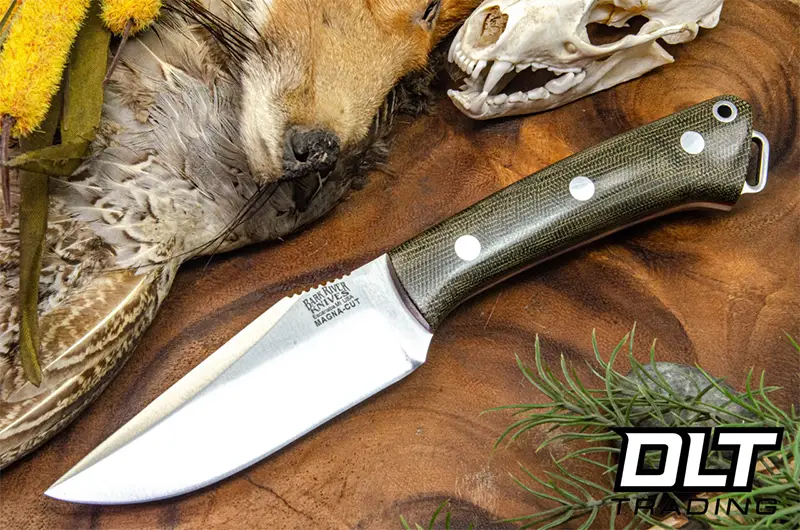
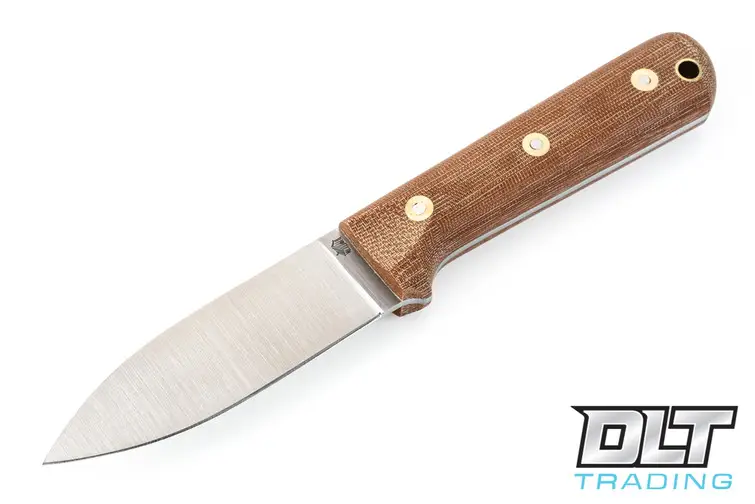
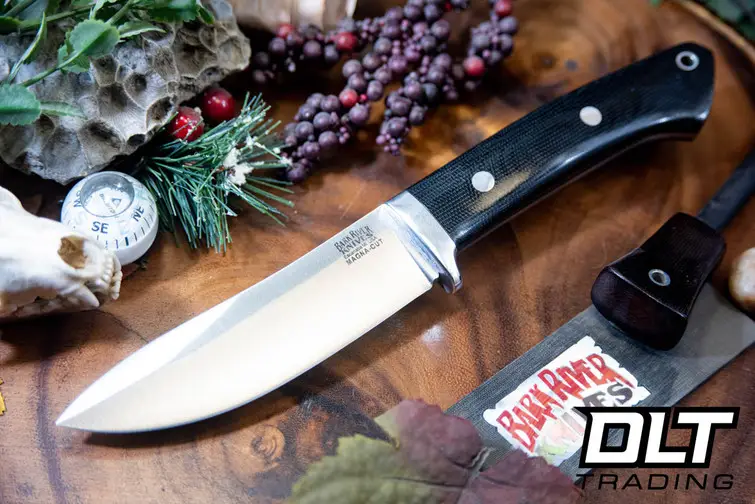
A sharp, fixed-blade knife handles field dressing far better than a dull one, and a small sharpening stone or ceramic rod keeps it that way through a long season. A dull blade doesn’t just slow you down, it makes field dressing messier and more difficult in exactly the moment you want to be efficient.
Headlamp
A headlamp with a red-light setting gets you in and out of the woods in the dark without blowing your night vision or spooking nearby game. Pack a spare battery, since a dead headlamp a mile from the truck at last light turns a good hunt into a stressful walk.
First Aid and Navigation
A basic first-aid kit, even a compact one, turns a bad afternoon into a manageable one if something goes wrong miles from the truck. Pair it with a way to navigate that doesn’t depend on cell signal, whether that’s a GPS unit, a downloaded offline map, or simply a map and compass you know how to use.
The Bottom Line
None of this gear replaces scouting, patience, or time in the field, but the right setup removes the problems that end hunts early: being too cold, too wet, too tired, or too loud. Build the system in this order: layering first, since it affects everything else about your comfort, then footwear, then optics, then the pack and small tools to carry it all. Get the fundamentals right, and the gear disappears into the background and lets you focus on the hunt itself.