by Leon Pantenburg
It may sound counter intuitive, but walking in the rain can be a lot of fun. Here’s how you can learn to love it. Or at least not dislike it. Too much.
Regardless, if you go outside very much, the rain will happen. So you might as well make the best of it.
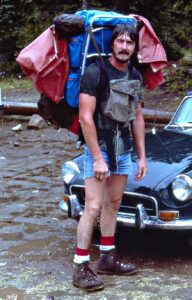
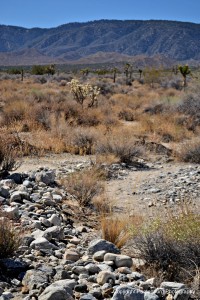
If you adopt the proper attitude, a little rain in the forecast is no big deal. Put it in perspective – all that greenery, the trees and flowers, wouldn’t be there without a lot of rain. In the arid deserts, there is little rain, and subsequently, not much flora.
Bottom line: If you go outdoors much, you will get rained on. Prepare for it, and the precipitation won’t ruin the trip. In fact, it may add to the outdoor experience.
I speak from experience as a foul weather magnet. When I hiked the John Muir Trail in the California Sierras, it rained off and on for nine days and nights. In Death Valley, CA, with an annual rainfall of less than two inches, we had to move our camp in the middle of the night because of flash flood danger. On my 1980 Source-to-Sea canoe voyage of the Mississippi River, it rained continually during the final month of November. At one point in Louisiana, it rained constantly for some 40 hours straight.
Nowadays, I hike at least a mile or two, every day, rain or shine on hot or cold days. My office supervisor, a black Lab named Naga, makes sure of that.
Proper preparation is paramount to a comfortable time outdoors. Here are some basics to help you deal with the rain.
All outdoor trips should start with the Ten Essentials.
Then, decide on your rain gear: Poncho or rain suit? Both have their place. I like a rain suit for hunting, fishing and canoeing. A poncho may be the best choice for backpacking. Here is how to decide which is going to work best for you.
Your clothing is your first line of defense against hypothermia. If rain is in the forecast, assess your clothing before you head out. Some things to keep in mind:
- No cotton. This is key. Cotton holds water, including your sweat, and chills you. Go with wicking materials like wool, nylon or polyester clothing instead. Cotton underwear is not OK. Evaluate the fabrics in your clothing before heading out.
- Go with synthetic insulation in your jacket. Down loses most of its insulating ability if it gets wet, and it is virtually impossible to dry it out outdoors. Wool is always a good choice. Water-resistant down and hybrids that combine synthetic insulation and water-resistant down are your next best bet. If you’re hiking in milder weather, a lightweight fleece or soft-shell jacket are good choices.
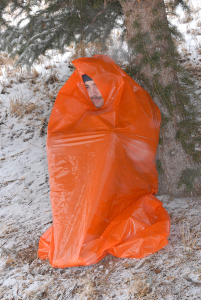
- Invest in quality rainwear. Your raingear can make or break your outing. I’ve had great luck with Beretta and Tru Spec rain jackets and suits. My rain gear tends to be camo or subdued colors, since I also use them for hunting. But bright colors can help cheer you up on a gloomy, grey day and help search and rescue teams locate you.
- Pack a rain cap. Your rain jacket should have a brimmed hood, but it will do a poor job of keeping rain off your face or glasses. If you rely on glasses, it’s worth taking the time to choose a pair that offers the most comfort and clarity for your needs. Doing the research beforehand can make all the difference when you’re out in unpredictable weather.
Be careful:
-
- Tread carefully on muddy slopes, slippery rocks and wet logs.
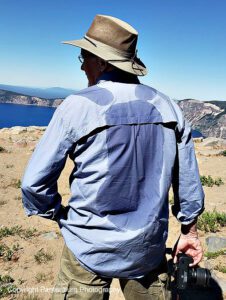
Staying dry is easier than drying out after you’re wet. Don’t wait to throw on your rain shell, or to take cover in a full-on rain squall. (See above photo.)
What if your hike is part of an epic and multi-day campout? No one wants to return to a wet, cold camp and further misery. Make a few preparations before leaving, and your camp can be warm and comfortable despite the rain. And you’ll be glad you didn’t let the rain keep you inside.