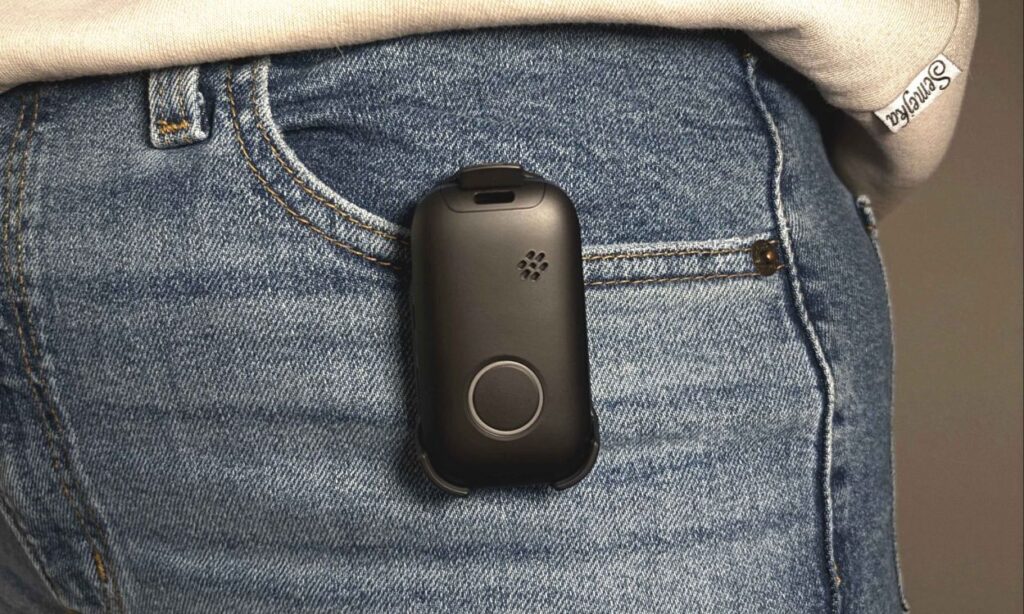
I’ve been on many trips where I planned for the lack of services, possible storm, and the long drive through empty country. I packed water, a radio, shelter, and a first aid kit. But there’s still one question hanging over my thoughts during a solo outing or with my friends. What if we need a medical rescue if something goes terribly wrong? Is my phone dead? Am I getting a signal? Do I know my exact GPS coordinates to call in a rescue? Do I have backup for my cell phone?
Today we have technology that could cover all these emergency scenarios and it deserves a look – this is where personal alarm and monitored alert devices earn a spot in your kit. In fact, the same technology that’s keeping seniors safe should be considered by recreationists or professionals in the outdoors for backup in extreme emergencies. It’s the GPS locator in these products I like the best for serious situations.
Surprisingly, much of the sharpest personal alarm gear comes from Canadian makers, yet the same units ship and work across the United States. You should compare how these devices summon help and learn more before you decide what to carry. A personal alarm gives you a second way to reach help when a phone fails. That single fact makes it a preparedness tool, not just a senior product.
While this wasn’t even a thought 30 years ago before cell phones were in every pocket, a personal alarm device is an opportunity today to stay alive in a dangerous situation. Now that we have the technology and ability to reach out and get found in an emergency. We should take advantage of it.
Should a Personal Alarm Be Added to Your Preparedness Plan?
Black EV12 mobile alert device with a large central call button and a front speaker
I frequently remind people of the widely reported scenarios when folks in mountainous regions have died because they didn’t have a way to reach help – they’re stranded with a wrecked snowmobile in 5 feet of snow, or they’re hiking the side of a mountain and get hurt, or they’re suffering from heat stroke in the dry desert off-grid.
Falls, sudden illness, and injuries do not wait for good signal. More than 1 in 4 people age 65 or older fall each year, and a bad fall can leave anyone unable to reach a pocket. But, you don’t have to be elderly to have a serious fall while hiking or hunting. A monitored device flips the script on emergencies. One press connects you to a live agent who can send help to your location.
If you hike, hunt, or even work outdoors alone, a fall in a ravine can end your reach for a phone in one second. A wearable alarm stays on your body when your pack slides away. It’s right there if you’ve broken your arm and in a really rough position. That difference decides who finds you and how fast.
What Should You Check Before You Trust a Device?
Check coverage, power, and the response path before you rely on any unit. A device that fails at the trailhead is worse than no plan at all. Run through these 5 checks first.
- Cellular coverage: Confirm the device uses a carrier with real bars where you travel, not only in town.
- GPS accuracy: Test that it reports your position within a few meters outdoors.
- Battery life: Look for at least 24 hours of standby, and charge it before every trip.
- Water resistance: Rain and sweat should not kill a unit you wear on your body.
- Monitoring model: Know whether a press reaches a 24/7 center or only dials a set number.
Write these answers down. A device you have tested is a device you can trust at 2 a.m. in bad weather.
How Do You Build Real Communication Redundancy?
Redundancy means two or more ways to signal that do not fail together. Your phone is layer one, and a monitored alarm is a strong layer two.
Add a third layer for deep backcountry. A satellite messenger covers zones with zero cellular service, while a whistle and a mirror cost little and never need power. Pair those with paper maps, since offline maps keep working when towers go dark. Store each tool in the same pouch so you grab all of them at once.
The goal is simple. No single dead battery or dead zone should cut every route to help at the same time.
Which Features Matter Most for Solo Adults and Older Relatives?
Match the technology feature to the person and the terrain. A city walker and a backcountry hunter need different things from the same category. A professional guide, an outdoor worker, fire fighter, or field agent need a whole other level of apparatus and personal protection gear.
Personal Alarm Features
- Built-in GPS: Sends exact coordinates to responders, which matters most for hikers, drivers, and wanderers.
- Two-way voice: Lets an agent hear the situation, a strong fit for older relatives living alone.
- Fall detection: Triggers a call without a press, so it helps anyone with mobility risk.
- Long battery: Survives multi-day trips, the key trait for backcountry and remote work.
- Waterproof shell: Handles rain, sweat, and spills, which every outdoor user will meet.
Pick 2 or 3 features that fit the real risk. A device stuffed with extras you never use only adds weight and cost.
Do You Really Need a Personal Alarm?
Imagine this. You’ve been hunting in 25 degrees and bagged the elk. You’re moving cross country toward the carcass and your foot slips on the ice, catches against a log and you fall over a stump, causing a serious leg injury. Your buddies are 600 yards away. You’re in real pain and begin to shake from the adrenaline and going into shock. Your phone is tucked away in your backpack and your hands are bone cold. The personal alarm device is around your neck and you push one button. Help is on the way.
Take this potential scenario and project an emergency in backcountry snow, rock climbing, rafting, hiking, working outdoors, and there are countless reasons to have a backup plan with a personal alarm device.
How Do You Fit This Into a Working Emergency Kit?
Treat the alarm as one item on a tested list, not a magic fix. It rides alongside your water, light, and first aid gear. Most personal alarm devices work on a subscription fee – adding more cost, but worth it for safety. It’s like purchasing an outback medical airlift subscription, or an international medical insurance plan. Sounds expensive until it’s a life or death scenario. Then it’s worth every penny.
Your Emergency Kit: Start from a proven base like the Red Cross survival kit list, which sets a 3-day supply for evacuation and a 2-week supply at home. Then layer in signaling tools, and review the ten essentials so nothing critical drops out. Charge the alarm, log its serial number, and tell one contact your plan before you leave. Repeat that check the night before every trip.
Field Notes to Check and Remember
- More than 1 in 4 older adults fall each year, so fall detection earns its place.
- A personal alarm is a second signal path, not a replacement for a phone.
- Test cellular coverage and GPS where you actually travel, not just at home.
- Keep 3 signal layers for remote trips: phone, monitored device, satellite device, and whistle.
- Charge the unit and share your route with 1 trusted contact every time.
Add a Backup Signal Before You Head Out
Good preparedness is about removing single points of failure. A monitored personal alarm closes the gap that opens when a phone dies or a fall pins you down. Add one to a tested kit, learn its limits, and you keep a clear route to help wherever you roam.
Frequently Asked Questions
Do Personal Alarms Work Without a Cell Phone?
Yes, most modern units carry their own cellular SIM and GPS. They connect to a monitoring center on their own, so you do not need a paired phone. Always confirm the carrier has coverage on your route.
Are These Devices Only for Seniors?
Absolutely not. Solo hikers, lone workers, and groups who travels through low-signal areas benefit too. The core value is a fast, hands-free way to summon help after a fall or sudden illness.
Will a Canadian Device Work In the United States?
Many units built in Canada roam on United States networks, but coverage varies by carrier. Ask the provider which bands and regions the device supports. Test it in your area before you rely on it.
What Happens if I Press the Button by Accident?
A live agent answers and asks if you are alright. You simply tell them it was a false alarm, and they stand down. No help is dispatched unless you confirm you need it.