I started this website over 15 years ago because I watched families struggle with low awareness of how to prepare for emergencies that can claim their lives. Most folks don’t know what essentials they need to prepare for evacuation. I grew up in Iowa and lived for years in Mississippi, and I’m keenly aware of the types of weather events causing emergencies that shock communities and cause displacement.
In Oregon the seasonal wildfires overtake communities with Level 1, 2, and 3 Go-Now evacuations for people to retreat from danger. No matter where you live, every family should have a bug out plan with essentials already packed in the car and bags ready to go. This article goes in depth on myths and reality about what it takes for your vehicle and you to be prepared.
Your Vehicle is Your Lifeline in an Evacuation
A truck with recovery boards and oversized tires may look prepared. That will not matter much if its battery is weak, the spare tire is flat, or the driver has no idea which roads local authorities plan to use during an evacuation.
Most emergency journeys happen on ordinary pavement and marked highways. They may involve hours of slow traffic, fuel shortages, road closures and an overnight stop somewhere that was not part of the original plan. A useful bug-out truck or car begins with mechanical reliability, a realistic route, and supplies chosen specifically for the people traveling in it.
No vehicle can be prepared for every disaster. Wildfires, floods, winter storms and hurricanes create different problems. The objective is to build a dependable starting point and then adjust it for the hazards common where you live.
Start with the evacuation plan
Decide where the vehicle is likely to take you before buying more gear.
Prepare for evacuation before it occurs by thinking about possible destinations closer to home and farther away. One spot might be a relative’s house outside the affected area; another could be a hotel, shelter or predetermined meeting point you’ve already scoped out. Account for pets, mobility limitations, and any family member who depends on refrigerated medication or powered medical equipment.
An impending hurricane with 48 hours notice requires a bug-out destination that is hundreds of miles from the estimated point of impact, with potentially millions of people heading out of town. A relative in another state may be your best bet.
Tornadoes typically knock out one part of a city that’s heavily impacted and leave a neighboring town unscathed. Do you have a “friend pact” with someone closer to home to share quarters if your home is affected? A local gas leak or even train derailment with hazardous chemicals might require you to leave the house with minutes notice, and need a resting spot for a couple of days across town.
Identify several routes and develop safehouse partners. But be flexible. Police may close a familiar road, reverse traffic lanes or direct drivers toward a route that appears less convenient. Ready.gov’s evacuation guidance recommends following local instructions, keeping a portable emergency kit in the vehicle and planning how the household will communicate if separated.
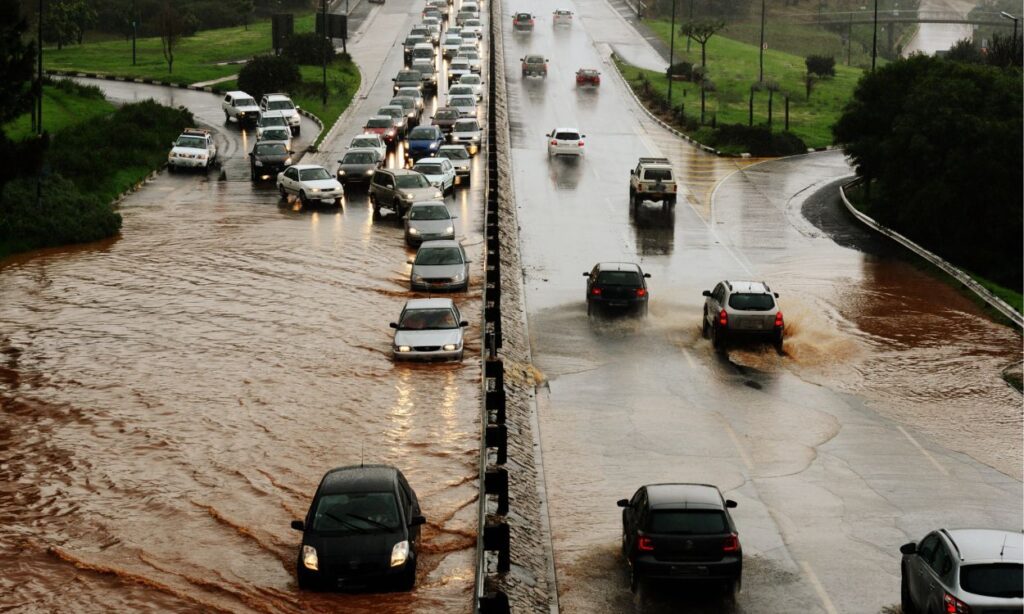
Back roads deserve particular caution. A road that appears open on a map may cross a flood-prone bridge, pass through an active fire area or become impassable after heavy snow. Never drive around an official barricade or enter water covering the road. In floods and fires, you must stay up with the current warnings and route closures.
Write the destinations, contact numbers, and routes on paper. Everyone in the household should know where the sheet is stored. And keep those papers in your bug-out document box or binder.
Your Bug-Out Truck Must be Dependable on an Ordinary Day
Your vehicle needs regular maintenance and a deliberate check before a forecasted emergency or unexpected disaster.
Follow the service intervals in the owner’s manual. A few days before a likely hurricane, winter storm or wildfire evacuation, check the following:
- Tire pressure, visible damage and tread condition, including the spare
- Engine oil, coolant and other owner-serviceable fluids
- Headlights, brake lights, turn signals and hazard lights
- Windshield wipers and washer fluid
- Battery condition and signs of corrosion
- Brakes, especially new noises, vibration or a changing pedal feel
- Belts and hoses that can be inspected safely
- The jack, wheel-lock key and tools needed to install the spare
Use the cold-tire pressure printed on the driver’s door frame or in the owner’s manual. The number molded into the tire sidewall is its maximum pressure, not necessarily the correct setting for the vehicle. NHTSA recommends inspecting tires at least monthly and before long journeys; its vehicle and tire preparation guidance also advises checking for cuts, bulges, cracks and other damage.
Do not wait for an evacuation warning to investigate an intermittent warning light or a slow coolant leak. A mechanic has far more options while parts, lifts and diagnostic equipment are still available.
Fuel planning is similarly straightforward. To prepare for evacuation, keep the tank close to full when severe weather or another known threat is approaching. Fuel stations may lose power, run out of supply or develop long lines. Owners of electric vehicles should choose a minimum charge level, identify more than one charging location and remember that chargers along the planned route may be unavailable.
Extra fuel should never be carried loosely or stored inside the passenger compartment. Use approved containers and follow local transport and storage rules.
It’s just good practice to keep your vehicle up to date on all maintenance at all times – because you never know when a disaster will hit.
Pack for the Occupants Before Packing for the Truck
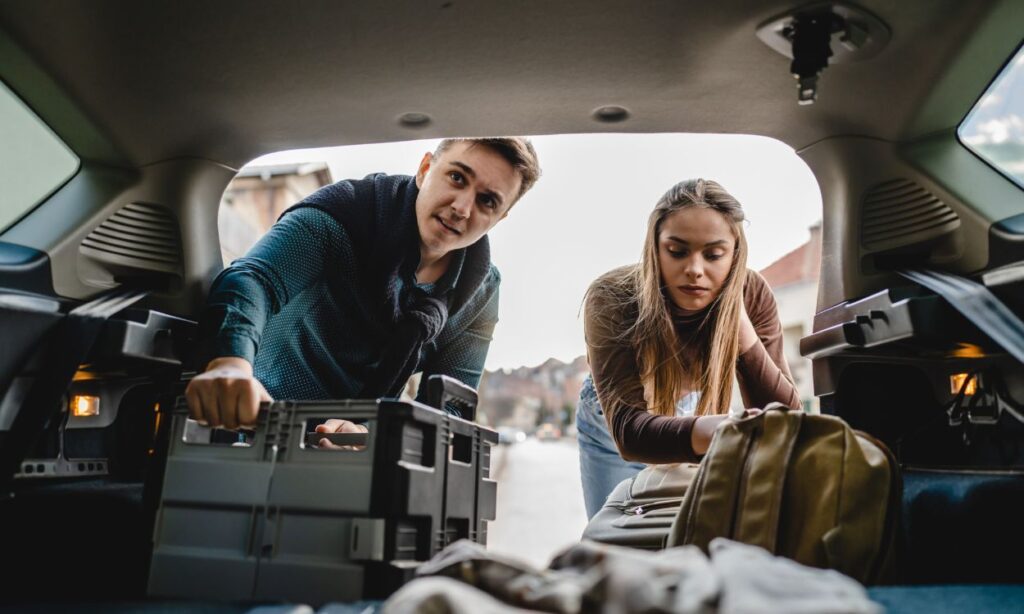
Separate the supplies into two groups with their own bags or containers. The first set of emergency supplies is a portable household kit/bag/container that can leave the vehicle with you. The second contains tools and equipment intended to remain with the truck.
My wife and I each have an emergency tote bag at the ready and in the garage if we need to leave in a moment’s notice. It includes extra clothes, shoes, coat, rain gear, sun hat, beanies, gloves, socks, undergarments and those types of items to stay comfortable in any weather for a couple of days after abandoning the home.
The vehicle holds another container with tools, flash lights, survival essentials, first aid, extra water, tarps, nonperishable snacks, and the things you’ll need on the road, or in a makeshift shelter or roadside camp.
I prefer storing water in the vehicle in many large Nalgene bottles and cycling it out regularly. I have several 3 and 5 gallon water containers already filled in the garage to add to the back of the truck.
10 Things to Pack in Your Vehicle
Official Emergency Supplies Recommendations
Ready.gov’s basic emergency supply checklist recommends preparing for evacuation by storing water and nonperishable food for several days, along with medication, lighting, communication equipment and personal necessities. The precise amount will depend on the number of passengers, the climate and the expected journey.
Include drinking water, ready-to-eat food, prescription medication, basic hygiene items, flashlights, spare batteries, charging cables, weather-appropriate clothing and a blanket for each person. Add infant supplies, pet food, mobility aids or other household-specific items rather than relying on a generic survival list.
Emergency water deserves regular attention. Store-bought bottled water is a practical option, but prolonged heat, freezing temperatures and direct sunlight make a vehicle a poor permanent storage location. Follow the manufacturer’s date guidance and rotate the supply. The CDC’s emergency-water recommendations also explain when bottled or treated water should be used after a public water advisory.
A first-aid kit should contain items you know how to use. Adhesive dressings, gauze, gloves, antiseptic, a thermometer and personal medication cover many immediate needs. Trauma equipment is not automatically useful because it came in an expensive kit. Seek proper training before relying on a tourniquet or wound-packing material.
Build a Roadside Kit around the Actual Vehicle
The truck’s equipment should match its design and your ability to use it. A sensible roadside kit may contain:
- Jumper cables or a maintained jump pack
- A tire-pressure gauge
- The correct jack and lug wrench
- A tire inflator and repair kit for suitable punctures
- Work gloves and eye protection
- A flashlight or headlamp
- Basic hand tools and spare fuses
- Reflective triangles or an LED warning beacon
- Flares for warning and starting a fire
- A fire extinguisher rated for automotive use
- A shovel and traction material where snow is common
A tire-repair plug does not fix sidewall damage, a large tear or every run-flat tire. It is a temporary measure for suitable tread punctures. Drivers should understand the limitations before depending on one.
Recovery straps, shackles and traction boards make sense for people who travel on unpaved roads, but they create their own risks. Recovery loads can break equipment or turn improperly attached hardware into a projectile. Use components rated for the vehicle and connect them only to approved recovery points. A trailer hitch ball is not a recovery point.
Secure everything. A tool bag, water container or fire extinguisher can become dangerous during sudden braking or a collision. Check the vehicle’s payload limit before loading extra fuel, water, tools and several passengers. A truck bed can hold a surprising amount of equipment long before the chassis is safe to carry it.
Navigation Should Still Work When Mobile Data Does Not
A phone can often determine its position from GPS satellites without cellular service. The problem is that maps, live traffic, road closures and new routes may not load without a data connection.
Download maps for the entire evacuation area in advance. Test them by placing the phone in airplane mode and confirming that the relevant roads remain visible. Keep a charging cable in the cab and a charged power bank in the portable kit.
Paper maps remain useful because they show the wider area without batteries or a working screen. Mark likely destinations, fuel stops, hospitals and roads that frequently flood. Review the route before leaving instead of trying to interpret it while driving.
Share the intended destination and route with someone outside the affected area. If plans change, send an update while communication is still available.
Radios Help Groups Communicate, but Range is Unpredictable
A battery-powered or hand-crank radio can receive emergency broadcasts when mobile networks or internet service are unavailable. For communication between vehicles or members of the same group, short-range two-way radios may also be useful.
Do not rely on the distance printed on the packaging. Hills, buildings, trees, antenna position and radio power can reduce usable range dramatically.
In the United States, Family Radio Service equipment can be used without an individual license when operated within its rules. GMRS requires an FCC license, while amateur radio operation generally requires an amateur license and some training. The FCC’s guide to personal radio services’ explains the differences.
Program and test radios before an emergency. Agree on a channel, a backup channel and specific check-in times. A two-way radio is a group communication tool, not a guaranteed connection to 911 or emergency responders.
Keep a Small Document Packet at the Ready for Bug-Out Situations
An evacuation can create paperwork problems long after the immediate danger has passed. Keep copies of identification, vehicle registration, insurance cards, medical information, prescriptions, emergency contacts, bank accounts, investment accounts, and pet vaccination records in a waterproof box or envelope. Protect sensitive documents rather than leaving the packet permanently visible in the truck.
Our family has a 3-ring, cloth covered, zippered binder with important household documents, social security paperwork, marriage certificate, passport, banking information, mortgage papers, etc. It’s a grab and go system that is one of the must-take items if we evacuate.
Encrypted digital copies can provide backup, but at least one responsible adult should know how to access them. Avoid relying on a password that only one family member knows. Our family also backs up important documents to the Cloud with passwords shared among the group.
Accessing Legal Assistance in Times of Emergencies
An emergency plan may also include filling out paperwork that might be difficult to arrange after a family has already left home. An example is an elder’s house destroyed in a fire that may require additional family members to access their insurance and bank accounts. A natural disaster damages a home and may leave one person in the hospital, requiring legal paperwork for another family member to help.
Households can access professionally reviewed legal forms for powers of attorney, consent forms and other routine matters that support each other in times of crisis. State-specific questions or unusual circumstances may still require a licensed attorney.
Government-issued records, evacuation orders, and medical instructions should come from the appropriate agency or professional.
Load the Truck Before You Need It For Evacuation
A written list cannot show whether four people, a dog crate, several days of water and all the equipment will actually fit. Our situation is different than yours.
Get the family involved. Share with them to need to have a plan. Let them help packing. Conduct a practice load. Check rear visibility, passenger space and access to the items most likely to be needed first. Medication, water, identification, flashlights and weather protection should not be buried beneath tools.
Drive a short familiar route with the truck loaded. Listen for shifting cargo and notice whether the steering or braking feels different. Confirm that every passenger can enter and leave safely.
Then unload perishables and anything that should not remain in a hot or freezing vehicle. Keep the roadside equipment secured inside, and store the portable household kit where it can be placed in the truck quickly.
Preparation should make an evacuation simpler. A well-maintained sedan with fuel, working tires and a practiced plan may be more useful than a modified truck carrying equipment nobody knows how to operate. The vehicle’s job is to move people out of danger without introducing new problems along the way.
Be Prepared and Stay Safe
Don’t worry about getting it perfect – just start getting it together. Being prepared is a lifetime of work that changes as you go. The best time to start is right now. Gather what you have, grab a bag, and go to the garage.
Over time, you’ll feel confident you’re protecting your family in the best way possible by being prepared.