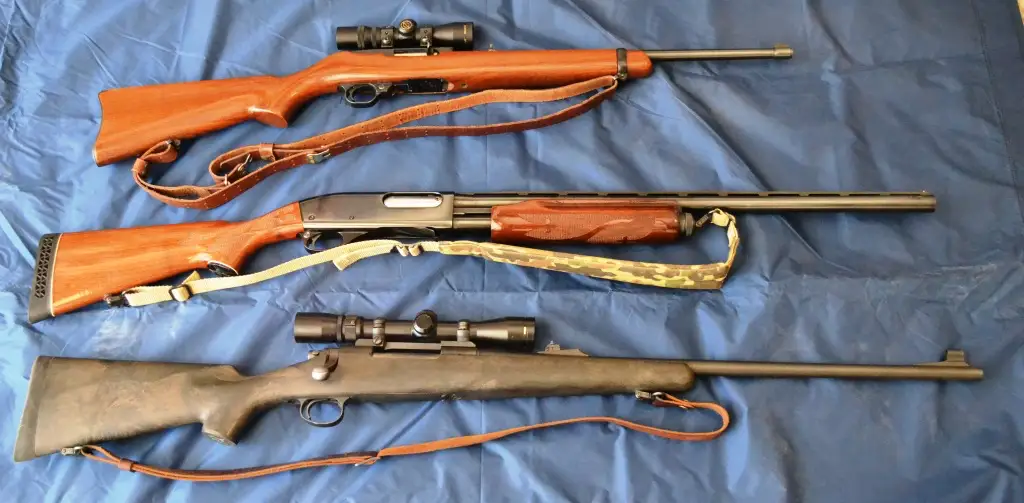
In a survival situation, your gear has one job: it has to work. Extra features and flashy upgrades may look appealing, but they don’t matter if a firearm can’t be trusted in rough conditions. A survival firearm must function consistently, withstand hard use, and keep working even when time, tools, and cleaning supplies are limited.
by Harry Bath
That is why experienced hunters, shooters, and outdoorspeople often lean toward simple, proven designs. A dependable firearm should also use practical ammunition, be easy to maintain, and serve more than one purpose in the field. When preparedness is the goal, those are the qualities that count. (Here are three firearms recommended for beginners.)
1. Simplicity and Proven Design
One of the clearest signs of a reliable survival firearm is simplicity. Firearms with straightforward, well-tested actions usually hold up better than more complicated designs. In the field, where dirt, moisture, cold, and rough handling are all part of the equation, simple often means dependable.
There is a reason seasoned shooters return to platforms with long track records. Those firearms have earned their reputation over years of hunting seasons, range use, and real-world carry. A simple operating system is also easier to understand under stress, which matters when decisions have to be made quickly.

Ease of repair is another part of the equation. When a firearm has fewer parts and less complexity, small problems are often easier to diagnose and fix. In a survival setting, where a gunsmith may be far away or unavailable, that kind of practicality matters more than features that only look impressive on the shelf.
2. Choose a Practical and Available Caliber
A reliable survival firearm should use ammunition that is common, easy to find, and affordable enough for regular practice. Choosing a rare or highly specialized caliber can create problems later, especially if supplies tighten up or local options are limited. A firearm is only as useful as the ammunition you can keep on hand for it.
That helps explain why calibers like .22 LR, 9mm, and .223 Remington remain popular year after year. They have a long history of practical use, and they are supported by a wide range of firearms, magazines, and accessories. The same point comes through in discussions of widely used hunting cartridges, where common calibers tend to stay common because they keep proving themselves useful.

Familiarity matters as well. Many shooters already know how these calibers handle, and replacement parts, magazines, and cleaning supplies are usually easier to find. Over time, that combination of availability and familiarity makes a survival firearm far more practical.
3. Ease of Maintenance in the Field
A survival firearm should be easy to clean and maintain with basic tools and minimal fuss. Outdoor conditions are hard on equipment. Dirt, dust, moisture, and temperature swings all take their toll. A firearm that can be quickly field-stripped and put back into service without a complicated process is much more useful than one that requires a workbench and specialized tools.
This is where design matters. If the main components are easy to access, regular cleaning becomes routine instead of frustrating. Firearms that require special tools or a complicated teardown may perform fine at the range, but they can become a liability in remote or stressful conditions.
Regular maintenance also helps extend service life. Basic cleaning, lubrication, and inspection can prevent minor wear from becoming major mechanical problems. When reliability is the whole point, a firearm that can be kept running with simple supplies has a real advantage.
4. Versatility for Different Survival Situations
A survival firearm should be able to handle more than one task. In uncertain conditions, carrying several specialized firearms may not be practical. A versatile firearm can cover a range of needs, from hunting small or medium game to personal protection and general preparedness.
That kind of versatility usually comes down to balance. Manageable recoil, a practical caliber, and dependable accuracy all matter. So does comfort. A firearm that is pleasant enough to shoot regularly is far more likely to get used in practice, and that familiarity counts when pressure is high. Shotgun
Hunters have understood this for a long time. The same qualities that matter in choosing a good hunting rifle often matter in a survival firearm, including reliability, reasonable weight, practical accuracy, and the ability to perform well across different settings.
5. Buy From a Reputable Firearm Dealer
The firearm itself matters, but so does the place it comes from. Reputable dealers follow strict licensing rules, keep proper records, and handle transfers correctly. That reduces the risk of paperwork problems, questionable inventory, or poor handling before the firearm ever reaches the buyer.
A trustworthy dealer is also more likely to run a professional operation from top to bottom. Firearm sales come with responsibilities that many other retailers never face, including record keeping and transfer paperwork, and gun store payment processing is one part of the back-end work that supports those transactions within a compliant operation.
Buying from a trusted source will not guarantee that any firearm is perfect, but it does reduce the chances of preventable problems. That matters when you are investing in a tool you may one day depend on in serious conditions.
A reliable survival firearm
is defined less by brand names or extra features and more by practical performance. Simple, proven designs hold up best when conditions get rough. Common calibers, straightforward maintenance, and real versatility all make a difference when reliability matters.
The bottom line is that the best firearm choice is one you can operate with confidence, maintain without trouble, and depend on when things are not going smoothly. That reliability turns a firearm from just another piece of gear into a useful part of a broader preparedness plan.
Harry Bath is an outdoor enthusiast and hunting expert with over 10 years of experience in wildlife tracking, gear testing, and backcountry survival. He shares practical tips and insights to help hunters make the most of their time in the field.
Please click here to check out and subscribe to the SurvivalCommonSense.com YouTube channel – thanks!